What Can You Not Bring Into The Bahamas?
The customs rules that matter on a Bahamas day trip from Miami: what is prohibited, what gets declared, the C17 form, and the items that cause the most trouble at the Bimini ferry terminal.
What Can You Not Bring Into The Bahamas?
The short list of absolute prohibitions covers the obvious categories: illegal drugs, firearms and ammunition without a permit, and counterfeit goods. Beyond that, the rules that actually catch day-trippers are quieter ones: fresh produce and meat, quantities of goods that look commercial rather than personal, and anything you plan to leave behind on the island. Personal-use items are declared orally at the counter, and anything beyond personal use triggers Bahamas Customs Form C17.
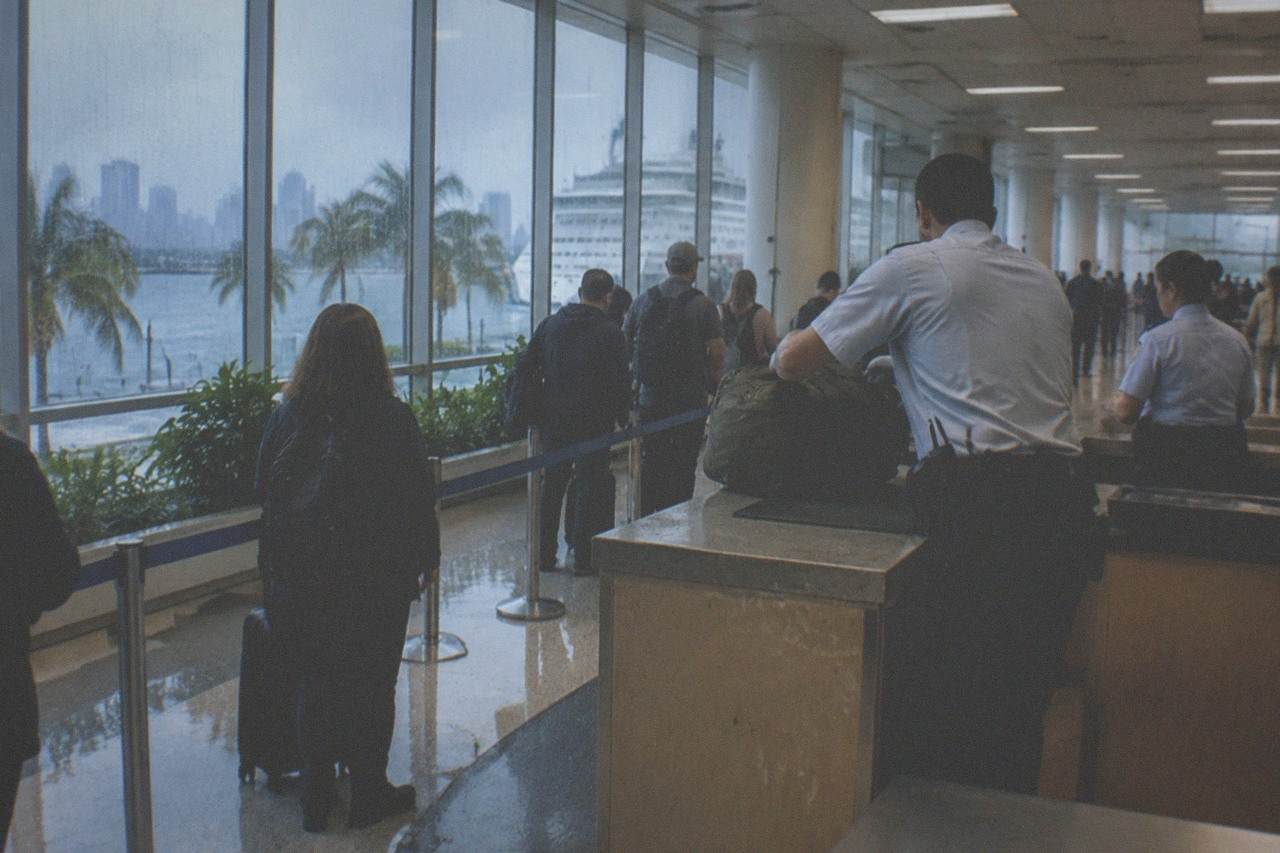
The honest framing matters here, because most travelers imagine customs as a wall of confiscated contraband. On a scheduled ferry day trip to Bimini or Grand Bahama, the reality is closer to a short conversation with an officer. Every non-resident visitor completes a Bahamas Immigration arrival form on arrival, keeps the stub, and surrenders it on departure. Personal items are declared orally to Customs. That is the whole process for a typical beach bag and a change of clothes.
The trouble starts when a bag crosses from "personal use" into something else. A carton of electronics, a cooler full of groceries for a friend, a drone, a spear gun, a crate of medicine: these are the items that generate the real questions. The Government of The Bahamas publishes its arrivals and departure rules on its official arrivals and departures page, and that page is the authority worth checking before any unusual item goes into the luggage.
The table below sorts the main categories the way an officer actually encounters them, from outright prohibition to simple declaration.
| Category | Examples | Status at the border | What to do |
|---|---|---|---|
| Narcotics | Marijuana, cocaine, any recreational drug | Prohibited outright | Leave at home, no exceptions |
| Firearms and ammunition | Handguns, rifle parts, loose rounds | Prohibited without a Bahamian permit | Do not bring, US permits carry no weight |
| Counterfeit and pirated goods | Fake designer items, pirated media | Prohibited | Leave at home |
| Fresh produce and meat | Raw fruit, vegetables, deli meat, dairy | Restricted agricultural category | Skip entirely, buy on the island |
| Plants and live animals | Seeds, cut flowers, pets | Restricted, permits required | Not feasible on a same-day trip |
| Goods beyond personal use | Commercial quantities, resale items, gifts left behind | Lawful but must be declared | Complete Bahamas Customs Form C17 |
| Personal-use items | Clothes, phone, camera, beach gear | Lawful, oral declaration | Declare orally at the counter |
If the day trip itself is still being sorted, the ferry packages below are the ones this site tracks, all of them shared crossings with free cancellation unless noted.
Which Items Are Flat-Out Prohibited?
Illegal narcotics top the list, and the Bahamas enforces this category without flexibility, including marijuana, which remains illegal for recreational use despite changes in some US states. Firearms, ammunition, and explosives are prohibited without a Bahamian permit, and that includes firearms parts and realistic replicas. Counterfeit currency and pirated goods are barred, as is anything obscene. These categories are not declaration questions: bringing them is an offense whether or not the officer asks.
The firearms rule deserves emphasis for Florida travelers specifically. A state that issues concealed-carry permits produces a steady stream of visitors who forget a weapon is in a bag, a glovebox, or a tackle box. A US permit carries no weight at a Bahamian port. Declaring a firearm at the counter does not create an exemption, it creates an incident, and the same applies to ammunition found during any check. The safest approach on a ferry day trip is to leave anything in the firearms family at home entirely.
Drugs fall into the same no-negotiation territory. Penalties in the Bahamas for drug offenses are severe, and a day-tripper caught with a small quantity faces arrest in a foreign country with a same-day ferry leaving without them. There is no personal-amount exception that a visitor can invoke at the counter.
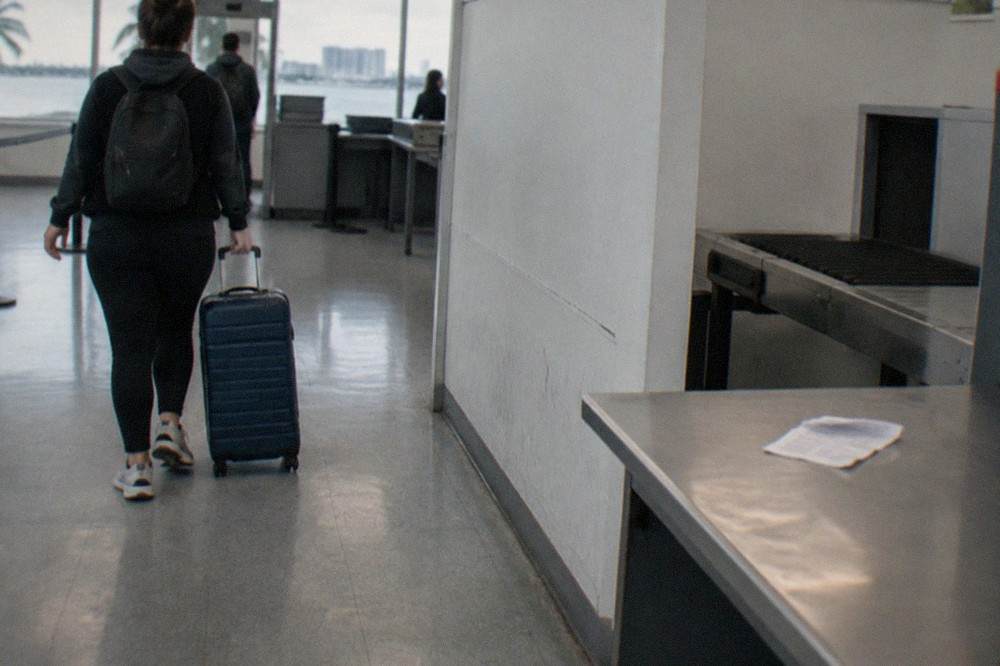
Counterfeit and pirated goods round out the absolute list. A fake designer bag bought as a joke souvenir can be seized, and commercial quantities of counterfeit merchandise are treated as smuggling. None of these categories involve judgment calls: they are prohibited, full stop.
What Food, Plants, And Animals Are Restricted?
Fresh fruits, vegetables, meats, and dairy products are the agricultural category that stops the most otherwise-lawful travelers, because the Bahamas protects its farms and ecosystems from imported pests and diseases. Plants, seeds, cut flowers, and soil are restricted and generally require permits or inspection. Live animals need health certificates and import permits arranged well in advance, which effectively rules them out for a same-day trip.
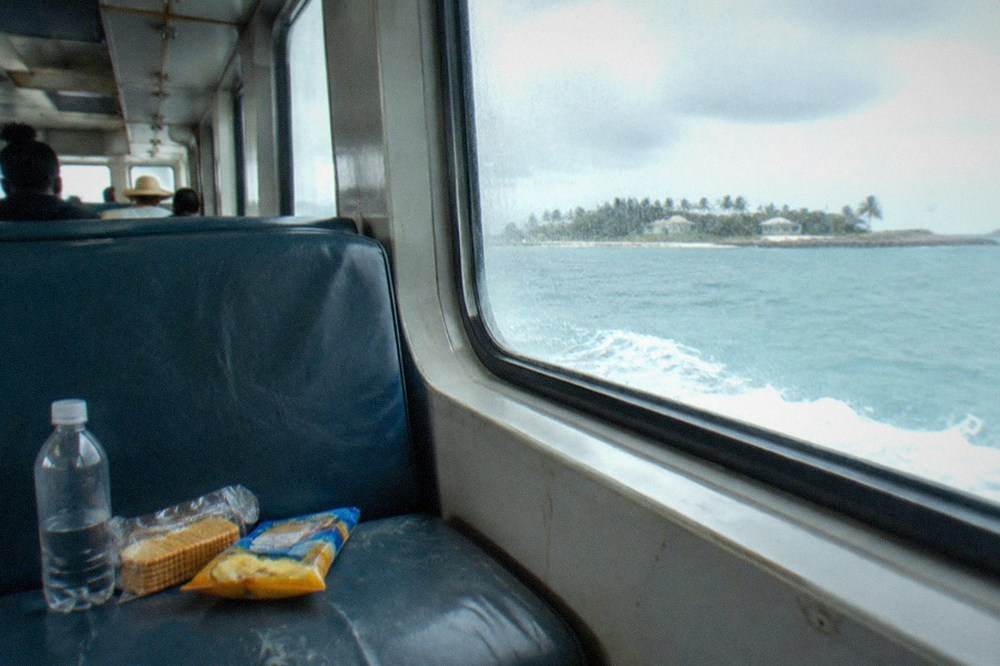
The agricultural rules are where a day-tripper's good intentions backfire most often. Someone packing a picnic for the ferry, a sandwich bag of trail mix containing fresh fruit, or a cooler of deli meat for a beach day can find the whole cooler subject to inspection and its contents seized. Processed and packaged snack foods in sealed commercial packaging are typically a different matter from raw produce and meat, but the distinction is the officer's to make at the counter, not the traveler's to assume.
A practical rule that fits the facts: bring food in sealed, labeled, commercially packaged form, skip anything raw, and do not bring fresh produce or meat at all. The Bimini ferry crossing is about 2 hours each way, and food and drink are available for purchase both on the vessel and on the island, so a raw-provision run buys very little.
Live animals deserve a hard stop for day-trippers. Import permits, veterinary health certificates, and quarantine requirements exist for legitimate animal movements, and none of them can be arranged for a same-day return. A family showing up at the terminal with a puppy will be turned around at the check-in stage, not the customs counter.
What Has To Be Declared On Form C17?
Anything beyond personal use has to be declared on Bahamas Customs Form C17, and that is the line the whole system turns on. Personal-use items, the clothes, phone, camera, and beach gear a visitor carries for their own day, are declared orally at the counter. Goods in quantity, gifts, items for resale, equipment being delivered to the island, and anything that will stay in the Bahamas belong on the C17 declaration instead.
The distinction is not about the item type, it is about purpose and quantity. One phone in a pocket is personal use. Six identical phones in a duffel bag look like commercial cargo no matter what the explanation is, and the officer is entitled to treat them as such. The same logic applies to tools, building materials, medical supplies, and bulk toiletries: things a visitor is carrying for someone on the island are imports, not luggage.
The C17 form is the mechanism for declaring that honestly, and using it is the difference between a lawful import and a seizure. Travelers who are genuinely moving goods, even as a favor, should complete the form and answer questions plainly. Attempting to walk commercial-looking goods through an oral "nothing to declare" is the single most common way an ordinary day-tripper turns into a customs case.
For context on the rest of the border process, every non-resident visitor completes the Bahamas Immigration arrival form, retains the stub, and surrenders it on departure. A $20 per person departure tax applies to travelers aged 6 and over leaving the Bahamas, and whether it is bundled into a ferry fare depends on the operator, so the fare's own listing is the place to confirm. The Government of The Bahamas arrivals page states these requirements directly.
The ticket-only ferry fare on this roster, Gray Line's economy ferry tickets from $270, is the bare crossing with no hotel pickup, and it is also the one listing without free cancellation, so a customs-day surprise is costlier there than on the packages.
What About Money, Gifts, And Duty-Free Purchases?
There is no practical cash limit that stops a day-tripper, but large sums of currency have their own reporting rules on both sides of the border, and gifts and new purchases count as imports if they stay in the Bahamas. The day-tripper's real exposure is the return leg: US Customs and Border Protection operates preclearance on departures back to the US, and returning travelers re-enter under the same document rules that governed the outbound crossing.
Money reporting is the category people misremember. The rules concern reporting, not confiscation: travelers carrying large amounts of currency declare it rather than hide it, and the failure to report is the offense, not the amount itself. A day-tripper with a wallet and a card has nothing to think about here, but someone carrying a large cash sum for a transaction on the island should plan to declare it both ways.
Gifts follow the C17 logic from the previous section. A gift is an item that stays in the Bahamas, which makes it an import the moment it leaves the visitor's hands. Modest personal gifts are handled at the officer's discretion, but a stack of identical gift boxes reads as commercial goods regardless of intent.
On the return side, the US requirements are documented clearly. CBP's Western Hemisphere Travel Initiative guidance covers the documents needed for sea re-entry, and the Mobile Passport Control program can speed processing at participating ports, though it supplements rather than replaces a valid travel document. The State Department's Bahamas country page recommends a full passport book over a card alone for exactly this kind of trip.
What Do Ferry Rules Add On Top Of Customs?
The ferry operator's own rules stack on top of the border rules, and they are usually stricter about everyday items: fuel, flammables, and weapons are barred from luggage, oversized coolers and large amounts of alcohol may be refused at check-in, and the vessel is passenger-only, so no vehicles make the crossing at all. A day-tripper who clears customs in principle can still be turned away at the terminal for something in the bag.
The vessel layer is worth respecting because the crew's word is final at the gangway. Aerosols, camping fuel, fireworks, and similar flammables are standard ferry prohibitions, and the reasons need no explanation on a high-speed catamaran. Weapons that might be lawful to own in Florida, from hunting knives to spear guns, are routinely refused at check-in even when the customs outcome would have been arguable.
The passenger-only point also shapes what is practical to bring. Since no cars ride this ferry, nothing that assumes a vehicle, spare fuel, jerry cans, tools for a job site, belongs on a day trip at all. The crossing from Port Everglades to Bimini runs about 2 hours each way on Balearia Caribbean's high-speed ferries, with about 6 hours on the island for most day packages, so the bag profile is a beach day, not a move.
Alcohol deserves its own sentence: bringing a personal drink or two is a different matter from bringing a case, and the case is what gets questioned both by the crew and by the customs officer. When in doubt, buy drinks on the island, where US dollars are accepted everywhere and the Bahamian dollar is pegged 1:1, so no exchange is needed.
The full-package Bimini day trip below is the roster's deepest-reviewed ferry option, at 4.1 from 681 reviews, from $299 with Miami Beach hotel pickup included and free cancellation.
How Do You Actually Clear Customs On A Day Trip?
In practice, a Bahamas day-tripper's customs experience is a short interview at the Bimini or Freeport terminal after disembarking: present a valid passport, hand over the completed immigration arrival form, declare personal items orally, and answer any questions about the bag's contents. The whole interaction takes minutes for a typical traveler, and the return leg runs through US preclearance at the same port.
The sequence is predictable, which is the reassuring part. The ferry docks, passengers disembark into the terminal, immigration comes first with the arrival form, and customs follows with the oral declaration. An officer may ask to look inside a bag, and cooperation keeps the day on schedule. The ferry's return sailing does not wait for a prolonged secondary inspection, which is a scheduling reality worth remembering: a customs problem on a day trip can mean a missed boat.
Preparation beats speed here. Have the passport in hand rather than buried in a backpack, keep the bag organized so any question can be answered in seconds, and leave anything questionable at the hotel. For a fuller rundown of what belongs in the bag rather than what stays home, the site's packing guide, what to bring on a Bahamas day trip, covers the positive side of the list, and the passport and documents guide handles the paperwork side. This site, Bahamas Day Tours From Miami, keeps both current alongside the tour listings.
One reassurance for the nervous first-timer: nothing about this process is adversarial for an honest traveler with a beach bag. The officers see thousands of day-trippers a week, the questions are routine, and the prohibitions in this article describe the small minority of bags that cause real trouble.
For anyone comparing the bookable options after reading the rules, these three ferry day trips are the packages worth a look.
Common Questions About Bahamas Customs
What Can You Not Bring Into The Bahamas?
Illegal drugs, firearms and ammunition without a Bahamian permit, and counterfeit goods are prohibited outright. Fresh produce, meat, plants, and live animals are restricted, and anything beyond personal use must be declared on Bahamas Customs Form C17 rather than walked through an oral declaration.
Do I have to fill out a customs form for a day trip?
Every non-resident visitor completes a Bahamas Immigration arrival form, keeps the stub, and surrenders it on departure. Personal-use items are declared orally at the counter. Only goods beyond personal use, such as commercial quantities, resale items, or things being left on the island, require Bahamas Customs Form C17.
Can I bring food on the Bimini ferry?
Sealed, commercially packaged snacks are typically fine, while fresh fruits, vegetables, raw meat, and dairy are the agricultural items most likely to be seized at the counter. The crossing is about 2 hours each way and food is sold on the vessel and on the island, so a raw-provision run buys little and risks the most.
Is there a departure tax for leaving the Bahamas?
Yes, a $20 per person departure tax applies to travelers aged 6 and over leaving the Bahamas. Some ferry and cruise tickets bundle it into the fare and some do not, so the specific tour's own listing is the place to confirm whether it is included.
Can I bring alcohol or cigarettes into the Bahamas?
Personal quantities are handled at the officer's discretion, but commercial-looking amounts, a case of beer or a carton meant for someone else, are treated as imports and belong on a C17 declaration. Large alcohol volumes may also be refused at ferry check-in under the operator's own rules, which sit on top of customs rules.
Does US customs check my bags on the way back?
Yes. US Customs and Border Protection preclearance operates on the return leg from the Bahamas, and returning travelers present the same WHTI-compliant document required on the outbound sea crossing. Mobile Passport Control can speed processing at participating ports, but it supplements rather than replaces the document.