Best Time Of Year For A Bimini And Grand Bahama Ferry Day Trip
The best month for a Bahamas day trip is not the hottest month or the cheapest month. It is the month when the Gulf Stream crossing is most likely to be calm, the ferry is actually sailing, and the island time you paid for is not spent watching weather roll in.
Short answer
The lower-risk months for a Bahamas day trip by ferry are the shoulder windows of April-May and November, when cold-front rough seas ease off and hurricane season is quiet at its edges. NOAA's 2026 outlook forecasts a below-normal hurricane season, and ferry fares on this roster run from $270 to $299 per person.
The single biggest variable in a Bahamas day trip is not the price of the ferry ticket or the length of the line at check-in. It is the state of the Gulf Stream on the day you cross. The stretch of water between Fort Lauderdale and Bimini is one of the most dynamic bodies of water in the Atlantic, and the same route that feels like a short commute on a flat June morning can turn into a slow, spray-soaked grind behind a winter cold front. Picking the right month is the highest-impact decision a day-tripper makes, higher than picking the tour itself.
This guide walks through what each season does to the crossing, what NOAA's 2026 hurricane outlook means for summer bookings, and how sailing schedules and fares shift across the year. The short version: shoulder months, meaning April, May and November, are the compromise most sources converge on, and the reasoning behind that is worth understanding before you spend $270 or more on a ticket.
When Is The Best Time Of Year For A Bahamas Day Trip?
The best time of year for a Bahamas day trip from the Miami area is the shoulder window of April-May or November, when the crossing is calmer, hurricane season is not at its peak, and winter cold fronts have either faded or not yet arrived. Summer sailings are plentiful but carry tropical-weather risk, while December through March trades storm risk for occasional rough, windy days at sea.
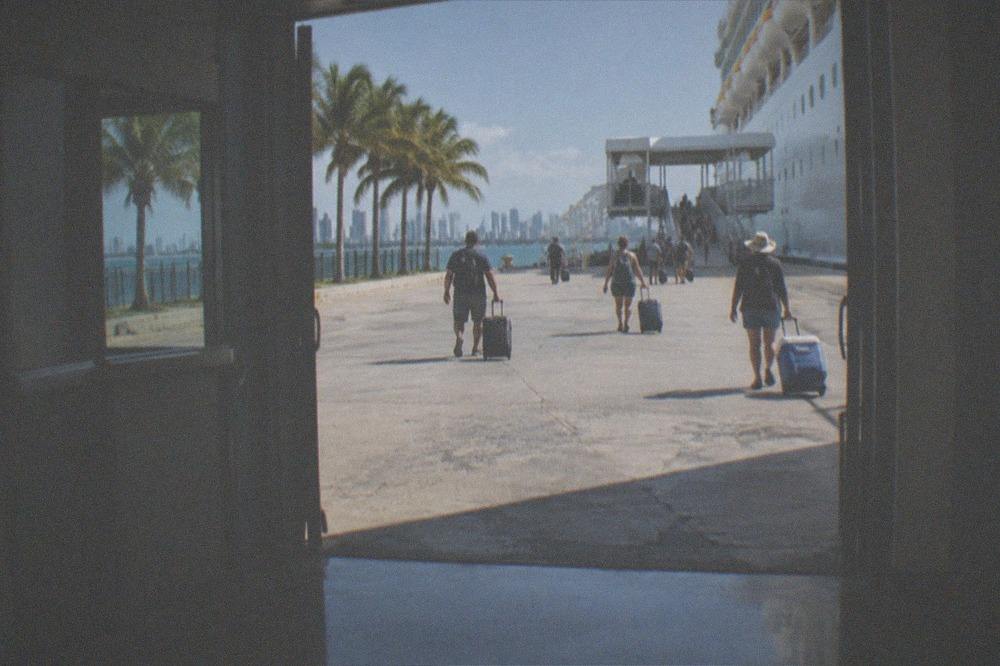
Every ferry on this roster departs from Port Everglades in Fort Lauderdale, roughly 30 to 45 minutes north of Miami, with hotel pickup from Miami and Miami Beach offered on most of the full-package trips. That means your day is built around a fixed sailing schedule that does not run daily, so the calendar matters twice over: once for the weather and once for whether a boat is actually going that day. The operator, Baleària Caribbean, runs a fixed set of sailing days per week year-round with extra sailings added in the peak summer months.
There is no single month that every source crowns as the winner, and the research behind this site found honest disagreement. Late spring through early fall generally brings the calmest Gulf Stream conditions and lighter winds, but that window overlaps hurricane season. November through April has minimal hurricane risk and plenty of stable high-pressure days, but cold fronts sweep through several times a month and can cancel or roughen a crossing. Shoulder months are where the two risk curves dip at the same time.
What Does The Weather Do To The Ferry Crossing Each Season?
The Gulf Stream crossing behaves differently in each season: summer brings heat, humidity and the small but real risk of a tropical system, while December through April brings repeated cold fronts whose strong north winds push against the north-flowing current and can build short, steep seas of 6 to 15 feet or more. April, May and November sit between the two patterns and usually offer the smoothest rides.
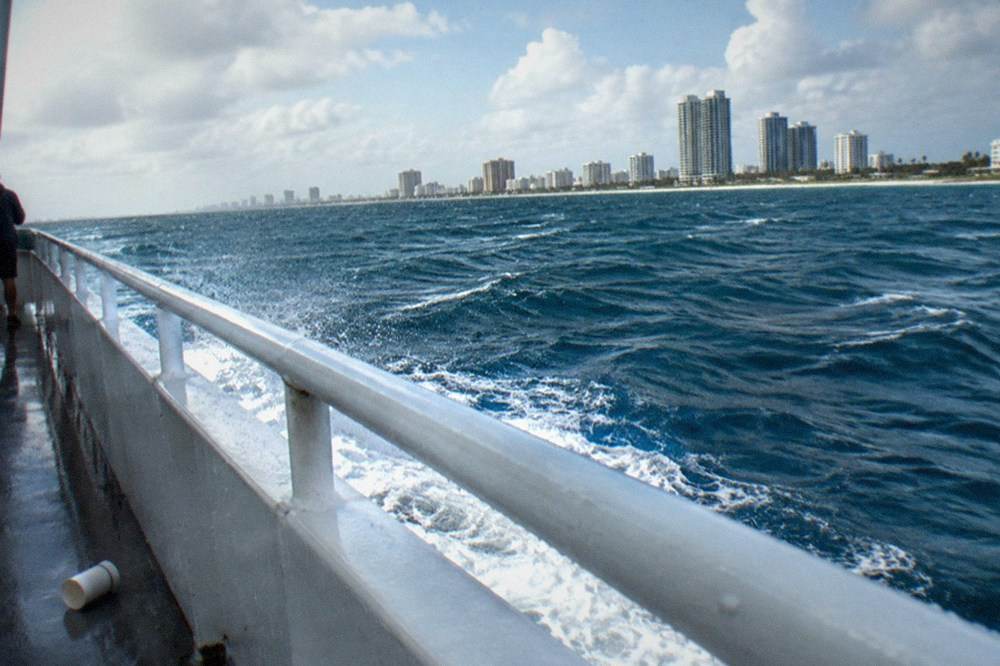
The mechanics matter here. The Gulf Stream flows north, and when a winter front passes, winds frequently swing to a hard northerly blow of 20 to 30 knots or more, directly opposing that current. The result is not long ocean swells but short, steep, breaking waves that build fast in the Straits of Florida and can persist for days. A high-speed catamaran ferry handles this better than a small boat ever could, but the crossing is still slower, wetter and occasionally cancelled outright when conditions exceed what the operator will sail in.
Summer flips the problem. Between June and November the official Atlantic hurricane season is in force, and the peak months of August through mid-October are when tropical systems most often disrupt Florida-Bahamas routes. Outside of named storms, though, summer crossings are typically the flattest and warmest of the year, and this is also when the operator adds extra sailing days, which is why summer is when day-trip availability is deepest.
The table below is the honest season-by-season picture, drawn from the weather research and ferry scheduling sources behind this site.
| Season | Months | Typical crossing conditions | Main risk to a day trip |
|---|---|---|---|
| Winter | December-April | Stable between fronts, then rough northerly blows for days at a time | Cold fronts, cancellations, choppy seas |
| Shoulder spring | April-May | Lighter winds, warming water, few fronts | Occasional late front in early April |
| Summer | June-August | Generally the calmest, warmest water | Hurricane season, afternoon storms |
| Peak tropical | August-mid October | Calm when no system is present | Highest tropical-system likelihood |
| Shoulder fall | November | Fronts begin but are sparse, storms fade | Early-season cold front timing |
If you are weighing a summer booking against the general safety picture in the islands, the safety question is separate from the sea-state question, and our piece on current safety conditions in the Bahamas covers that ground.
For the shoulder and summer windows, these are the three day-trip packages most worth comparing first.
Which Months Are The Calmest For The Gulf Stream Crossing?
April, May and November are the months with the best balance of calm seas and low disruption risk, and within summer, June and July are calmer than the August-to-October peak of hurricane season. December through March can be perfectly fine, but each winter month brings several cold-front events, so a winter booking needs flexibility more than a shoulder-month one does.
Calm is a function of wind direction as much as wind speed. The worst crossing days are not the windiest days overall, they are the days when wind blows hard from the north against the current. In winter that pattern repeats with almost every front. In late spring the prevailing easterly and southeasterly trades are lighter and rarely set up that opposition, which is why late April and May show up in crossing guides as the sweet spot before hurricane season fully spins up.
A calm crossing also protects the part of the day you actually came for. The flagship full-package trip on this roster, the roundtrip Bimini ferry with Miami Beach hotel pickup, gives you roughly 6 hours on the island as part of a day that runs about 15 hours door to door, with a 2-hour ferry each way. It carries a 4.1 rating from 681 reviews, the deepest review pool on the roster, and it includes free cancellation, which matters when you are gambling on a weather window. If a front delays the return sailing, it is that island time that gets squeezed.
For readers planning around specific sailing days rather than months, the calendar details, including check-in windows and the not-daily schedule pattern, are laid out in our guide to the Bahamas day trip schedule and sailing days.
How Does Hurricane Season Affect A Bimini Day Trip?
Hurricane season runs June 1 through November 30, and NOAA's 2026 outlook forecasts a below-normal season, with the May outlook giving a 55 percent chance of below-normal activity and the August update raising that to 75 percent. The practical effect for a day-tripper is that summer sailings are plentiful and often calm, but the August-to-mid-October window carries the highest chance of a storm-related disruption.
A below-normal forecast is not a no-storm forecast. NOAA's May 21, 2026 outlook called for 8 to 14 named storms, 3 to 6 hurricanes and 1 to 3 major hurricanes, and the August 6 update trimmed the ranges to 7 to 13 named storms and 2 to 6 hurricanes, citing strengthening El Niño conditions expected to suppress activity through the peak months. The season to late September had in fact been unusually quiet. Still, a single named storm in the Bahamas basin can scrub a week of sailings, so the standard advice holds: book summer with free cancellation and watch the forecast in the days before you travel. The NOAA 2026 Atlantic hurricane season outlook is the primary source for these numbers.
Day trips have one structural advantage over longer vacations here: a ferry day trip is a single-day exposure. You are not locked into a week at a resort when a system forms. The trade is that a cancelled day trip is simply a cancelled day, so the free-cancellation policy on every full-package tour in this roster, all except the ticket-only fare, is the protection that makes a peak-summer booking reasonable.
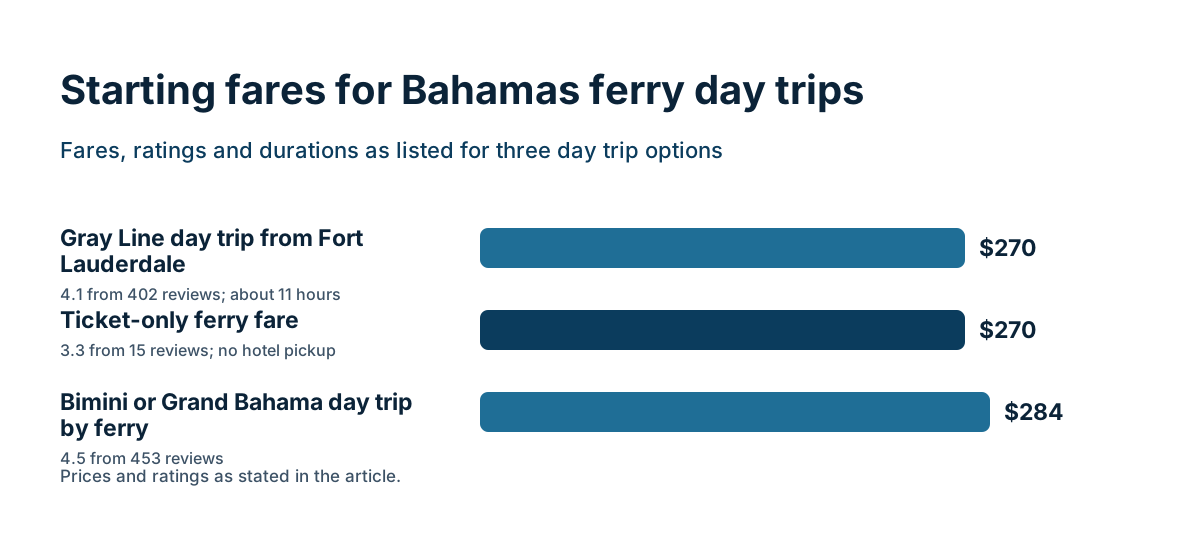
If a summer or fall trip is on your list, it pairs naturally with the two-island option, the Bimini or Grand Bahama day trip by ferry, which carries the highest rating on the roster at 4.5 from 453 reviews and starts from $284. Note that which island you visit depends on the sailing date, not on a choice made at booking, so the calendar decides the destination on that one.
Are The Winter Months A Good Time To Go?
December through March can be a genuinely good time for a Bahamas day trip, with dry air, comfortable island temperatures and no hurricane risk at all, but each winter month brings several cold-front events that can produce rough seas or cancellations for days at a time. Winter bookings work best for travelers with schedule flexibility and a free-cancellation fare.
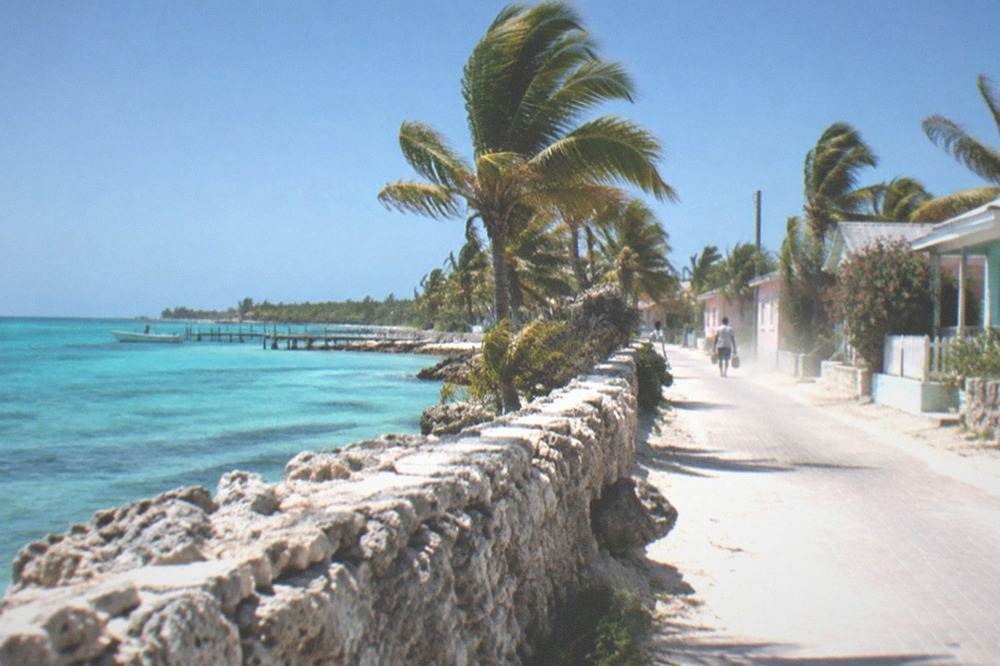
The island side of a winter day trip is arguably the best of the year. Bimini in January is warm by mainland standards, the water is still swimmable, and the crowds are thinner than in the summer peak. The crossing side is the gamble. Behind each front, north winds of 20 to 30 knots or more can hold for days, and the operator will delay or cancel sailings when the seas get steep enough. Travelers who can only travel on one specific date should weigh that carefully.
The cheapest full-package fare on the roster is a natural fit for a flexible winter traveler. The Gray Line day trip from Fort Lauderdale starts from $270, runs about 11 hours with roughly 6 hours of free time on Bimini, includes hotel pickup and drop-off, and carries a 4.1 rating from 402 reviews with free cancellation. If a front pushes your sailing a day, a flexible itinerary absorbs it.
One caution for bargain hunters: the same operator also sells a ticket-only ferry fare at the same $270 starting price, but that version has no hotel pickup and no free cancellation, and it carries the thinnest review pool on the roster at 3.3 from 15 reviews. It is a fare for travelers who know exactly what they are buying, not a discount version of the full package.
How Do Sailing Schedules And Fares Change Through The Year?
Sailing frequency is highest in summer, when Baleària Caribbean adds extra departures to its fixed weekly pattern, and lowest in the depth of winter outside holiday weeks. Fares on this roster run from $270 to $299 per person across the full-package trips, and dynamic pricing means the same seat costs more on peak sailing days and holiday weekends than on midweek shoulder-season dates.
The schedule is the part of the calendar travelers most often get wrong. There is no daily ferry. The Bimini route typically runs a fixed set of sailing days per week, a Wednesday, Friday and Sunday pattern in the baseline, with additions in peak season, and the Freeport route runs its own overlapping but distinct calendar with a roughly 3-hour crossing instead of 2. The Balearia Caribbean routes and schedules page is the operator's own source for the live calendar, and it is the right place to confirm that a specific date actually has a sailing before you plan anything else around it.
The fare picture is dynamic. The day-trip packages sold from the Miami area bundle the ferry round trip with transfers, and the verified starting prices on this roster range from $270 to $299. Within that band, the differences are structural rather than seasonal: pickup coverage, island time and cancellation terms. What changes with the season is which dates are available and how fast the popular ones fill.
| Month window | Sailing availability | Sea conditions | Booking advice |
|---|---|---|---|
| December-March | Baseline weekly pattern, holiday spikes | Calm between fronts, rough behind them | Book flexible dates, watch forecasts |
| April-May | Baseline pattern plus spring additions | Among the calmest of the year | Strong choice, book early |
| June-August | Extra peak-season sailings added | Generally calm, tropical risk | Book with free cancellation |
| September-mid October | Peak-season frequency, storm exposure | Calm if no system is near | Highest disruption odds, cheapest dates |
| November | Frequencies ease toward baseline | Fronts begin, usually sparse | Strong shoulder choice |
The two-island day trip is the most schedule-sensitive booking on the roster in one specific way: since the island, Bimini or Grand Bahama, depends on the sailing date, the month you pick partially decides the destination. Its 4.5 rating from 453 reviews is the strongest on the roster, and the from-$284 fare sits mid-band.
How Do You Match A Tour To Your Chosen Month?
Match the tour to the month by cancellation terms and transfer coverage: in hurricane-season months, book only free-cancellation packages with hotel pickup, in winter, favor flexible fares and the deepest-reviewed operators, and in shoulder months any package works, so choose on island time and price. The one fare to avoid booking blind is the ticket-only option, which has no pickup and no free cancellation.
The roster's full-package trips all include free cancellation and some form of Miami-area transfer, which makes them the default for any month where weather can move a sailing. The differences that remain are duration and island time. The roundtrip Bimini ferry with Miami Beach hotel pickup runs about 15 hours door to door with roughly 6 hours on the island. The express ferry version runs the same 15-hour door-to-door shape from a wider pickup area. The 12-hour Bahamas day cruise compresses the day slightly and starts from $284.
| Tour | Starting price | Rating and reviews | Island time | Free cancellation |
|---|---|---|---|---|
| Roundtrip Bimini ferry, Miami Beach pickup | $299 | 4.1 from 681 reviews | About 6 hours | Yes |
| Gray Line day trip from Fort Lauderdale | $270 | 4.1 from 402 reviews | About 6 hours | Yes |
| Bimini day cruise with Miami transfer | $289 | 3.5 from 70 reviews | About 11-hour day | Yes |
| 12-hour Bahamas day cruise, Miami area | $284 | 3.5 from 63 reviews | About 12-hour day | Yes |
| Bimini or Grand Bahama day trip by ferry | $284 | 4.5 from 453 reviews | 5.5 hours Bimini, 4 hours Grand Bahama | Yes |
| Bimini Express ferry day trip | $282 | 4.0 from 63 reviews | About 15 hours door to door | Yes |
| Ferry tickets only | $270 | 3.3 from 15 reviews | Check-in 6:15-8:15am | No |
For a summer or early-fall booking, the Bimini day cruise with round-trip Miami transfer is a solid mid-priced choice at $289, about 11 hours, with pickup from select Miami and Miami Beach hotels and free cancellation. Its 3.5 rating from 70 reviews is a smaller pool than the leaders, but the terms fit a season where plans can shift.
Whatever the month, the day runs long. Fifteen hours door to door is the realistic shape of the flagship trips, and the crossing itself is only about 2 hours each way to Bimini. Our guide on how long the ferry to the Bahamas takes breaks the full timeline down, and it is worth reading before you commit a full day.
Putting It All Together: Picking Your Month
If you want the highest-probability calm crossing, book late April or May, with November as the close runner-up. If you want the widest choice of sailing dates and warmest water, book summer with a free-cancellation fare and watch the forecast. If your travel dates are locked to December through March, build a buffer day into the plan so a cold front cannot erase the whole trip.
There is also a budget angle to the calendar, though it is softer than the weather angle. Fares are dynamic, and midweek dates outside holiday weeks are where the from-$270 starting prices are most achievable. The shoulder months win on almost every axis that matters, which is why this site, and the crossing guides it draws on, keep landing on April, May and November as the answer to the best-month question.
One last planning note that applies to every month: the US State Department's Bahamas country information page currently carries a Level 2 advisory, exercise increased caution, and it is the right primary source for entry-document guidance as well. A valid passport is the safe instruction for a ferry day trip, and the operator's live listing will confirm any document specifics at booking. For the full document picture, see our guide to passports and documents for a Bahamas day trip, and for the site's overall take on the value question, start with Bahamas Day Tours From Miami.
Whichever month you land on, these three packages cover the range most day-trippers actually choose between.
Common Questions About The Best Time For A Bahamas Day Trip
What is the best month to visit Bimini, Bahamas?
April, May and November are the strongest months for a Bimini day trip by ferry. They combine calmer Gulf Stream conditions with low disruption risk from either winter cold fronts or peak hurricane season. June and July are also good if you book a free-cancellation fare and accept some tropical-weather risk.
Is hurricane season a bad time to take a Bahamas day trip?
Not necessarily. NOAA's 2026 outlook forecasts a below-normal season, and summer crossings are often the calmest of the year. The risk window is roughly August through mid-October, when tropical systems are most likely. Book a package with free cancellation and check the forecast in the days before you sail.
Are winter ferries to Bimini often cancelled?
Winter cold fronts can delay or cancel sailings several times per month between December and April, when strong north winds oppose the Gulf Stream current and build steep seas. Between fronts, conditions are usually stable and pleasant. Build flexibility into winter plans rather than avoiding the season entirely.
Does the ferry to Bimini sail every day?
No. Baleària Caribbean runs a fixed set of sailing days per week year-round, typically a Wednesday, Friday and Sunday pattern for Bimini, with extra sailings added in the summer peak. Always confirm your specific date on the operator's live schedule before planning the rest of your day.
Do ferry prices change by season?
Yes. Fares are dynamic, so peak sailing days, weekends and holiday weeks cost more than midweek shoulder-season dates. The full-package trips on this roster start from $270 to $299 per person, and the lowest prices are easiest to find outside peak demand.
Which tour should I book for a shoulder-month trip?
In April, May or November, weather risk is low enough that you can choose on price and island time. The roundtrip Bimini ferry with Miami Beach hotel pickup, from $299 with a 4.1 rating from 681 reviews, is the most-reviewed option, while the Gray Line day trip from $270 is the cheapest full package.