Is It Safe For US Citizens To Travel To The Bahamas Right Now?
An honest, non-alarmist look at Bahamas travel safety for US citizens: what the State Department advisory says, what it means for day trippers, and the precautions that actually matter.
The question of whether the Bahamas is safe comes up constantly in US travel searches, and it deserves a straight answer rather than a reassuring shrug. The honest version has three parts: what the US government formally advises, what the actual risk picture looks like for someone spending a day on Bimini or Grand Bahama, and which precautions are worth the effort. This article works through all three using the State Department's own country guidance and the entry facts verified for this site, without inventing a single crime statistic, because no such statistic for this route has been verified.
Is It Safe For US Citizens To Travel To The Bahamas Right Now?
Yes, for the overwhelming majority of US visitors, and a same-day ferry trip is about the lowest-exposure way to visit. The State Department's Bahamas advisory sits at Level 2, exercise increased caution, driven by crime in specific urban districts of Nassau and Freeport. A day trip to Bimini or Grand Bahama does not pass through those districts, and the standard advice is ordinary vigilance rather than avoidance.
The State Department's country page for the Bahamas is the reference point US travelers should actually read, and its tone is more measured than the headlines suggest. The advisory points to crime, including violent crime in parts of Nassau's "Over the Hill" district and certain areas of Freeport, as the reason for the Level 2 rating. It also flags water safety, noting risks around jet ski operation and recreational boating. None of that amounts to a warning against travel. It amounts to a request to pay attention.
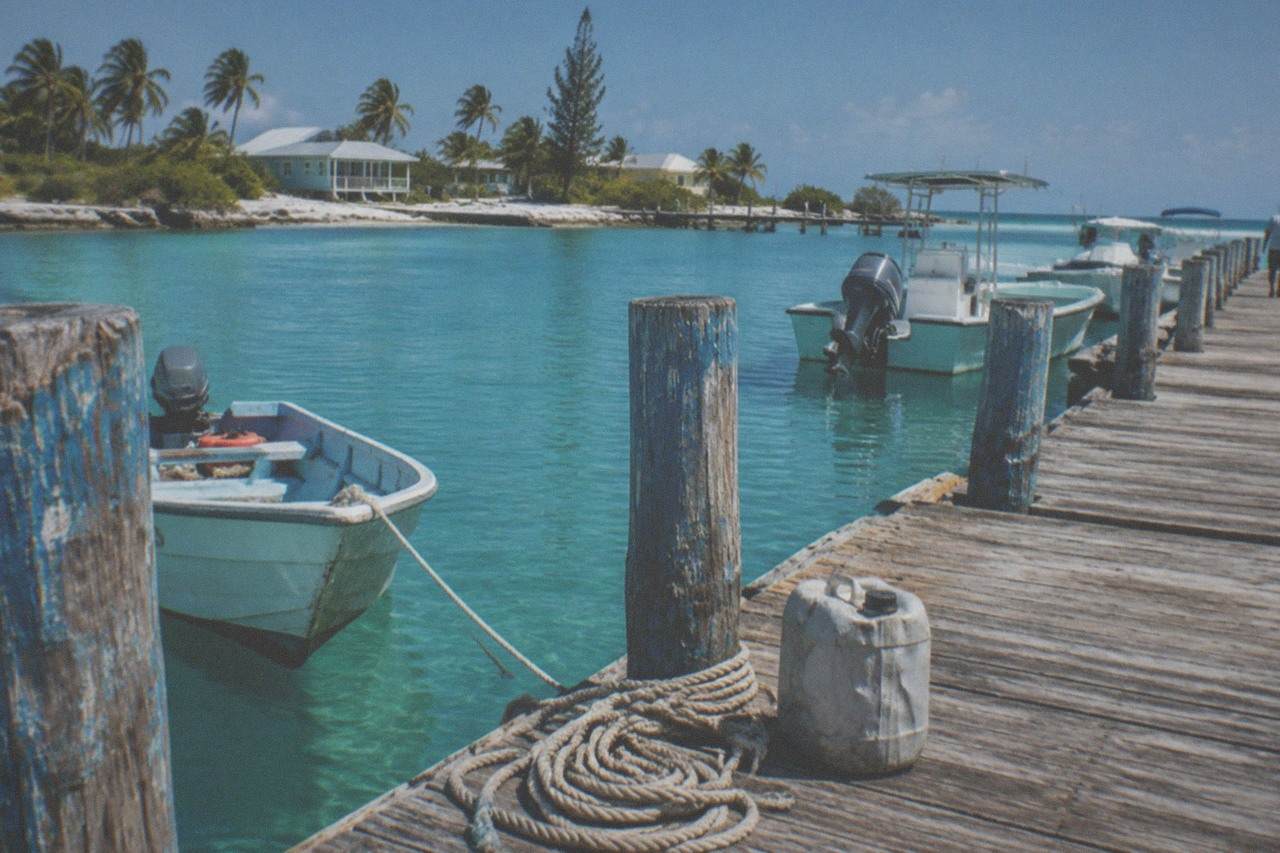
For a day tripper, the geography matters more than the headline. The ferry from Port Everglades lands either at the Bimini ferry terminal near Alice Town on North Bimini, or at Freeport Harbour on Grand Bahama. Alice Town is a small settlement where visitors walk to beaches, beach bars and a handful of shops. Freeport Harbour is a working cruise and cargo port with its own tourism zone. Neither arrival point places a visitor in the neighborhoods the advisory names. Someone booking a Miami Bimini or Grand Bahama day trip is buying roughly five and a half hours of island time on Bimini or four hours on Grand Bahama, with the island determined by the sailing date rather than chosen at booking. That is a short, contained visit in tourist-facing areas.
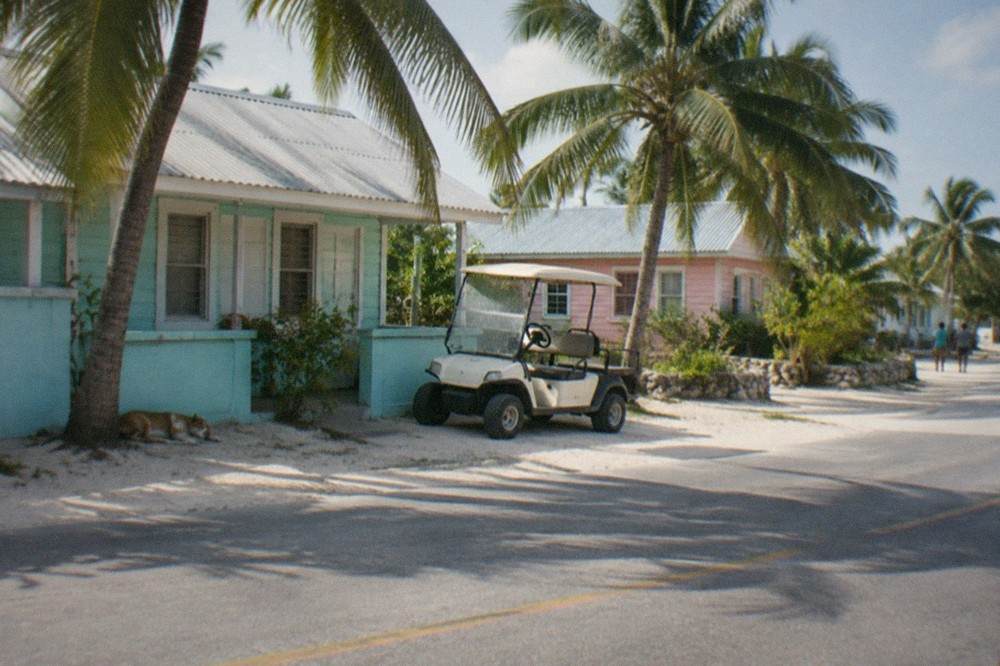
The practical framing is this: the advisory asks for increased caution, not cancellation. Millions of US citizens visit the Bahamas each year without incident, and the ferry day trip is a structured, group-format excursion with fixed departure and return times. If you would feel comfortable on a cruise-ship shore day or a long waterpark day in South Florida, the risk profile is comparable. The sections below unpack the advisory itself, the crime picture, water safety, and the weather side of the question, then close with the precautions that genuinely matter. This site, Bahamas Day Tours From Miami, exists to help US travelers make exactly this kind of call with real information.
What Does The Level 2 Advisory Actually Mean?
Level 2 means exercise increased caution, the second of four State Department travel advisory levels, and it is one step below the level that suggests reconsidering travel. It signals a real but localized or situational risk, not a blanket warning. Roughly half the countries in the Caribbean region carry a Level 2 rating at any given time, and the Bahamas advisory has been renewed at that level without change.
The four-level system is worth reading correctly, because the numbers get misquoted constantly. Level 1 is exercise normal precautions, which is the baseline the State Department applies even to popular destinations. Level 2, where the Bahamas sits, adds the word increased. Level 3 suggests reconsidering travel. Level 4 says do not travel. The Bahamas is not close to the upper half of that scale.
| Advisory level | Official wording | What it means in practice |
|---|---|---|
| Level 1 | Exercise normal precautions | Standard vigilance, no elevated concerns flagged |
| Level 2 | Exercise increased caution | Real risk exists, often localized; be aware of surroundings |
| Level 3 | Reconsider travel | Serious risks present; weigh whether the trip is necessary |
| Level 4 | Do not travel | Exit the country or do not enter |
The advisory's own text names its drivers directly: crime, including violent crime in areas of Nassau and Freeport, plus water safety concerns around jet skis and boating. It does not name Bimini at all. It does not advise against ferry travel, against the out islands generally, or against tourism zones. The State Department's Bahamas country page is the live source, and it is worth reading the current version before any trip, since advisory levels and wording do change.
One nuance the advisory carries that day trippers should internalize: most of the flagged risk concentrates in residential districts of the two largest cities, visited by few tourists, and in unregulated or informal water-activity operators. The advice that follows from that is not to hide in a resort. It is to stay in the areas your itinerary naturally takes you, book activities through operators with real listings and reviews, and treat the water with the respect it deserves anywhere in the Bahamas.
Is Crime A Real Concern For Day Trippers?
For visitors on a structured day trip, the practical crime risk is low, because the itinerary never enters the districts the advisory names. The flagged areas are specific neighborhoods in Nassau and Freeport, not the ferry terminals, beaches or tourism corridors a day tripper visits. The precautions that matter are the universal ones: keep valuables minimal, stay with your group, and use booked transportation rather than informal arrangements.
It helps to be precise about what the advisory describes. Nassau's "Over the Hill" district is a residential area inland from the cruise port and Bay Street, and parts of Freeport flagged in the guidance are similarly outside the harbor and tourism zones. A Bimini day tripper never goes to Nassau at all, since no ferry from South Florida reaches it. A Grand Bahama day triper arrives at Freeport Harbour, where the advisory-relevant neighborhoods are not on any sensible visitor route.
The day-trip format itself does a lot of quiet safety work. You travel on a scheduled vessel with a manifest, arrive with a group, and depart on the same vessel hours later. There is no night time on the island, which is when most of the crime the advisory references occurs. There is no unstructured movement through unfamiliar districts. Your documents, cash and phone stay with you in a small day bag rather than sitting in a hotel room. For a comparison of how a short visit stacks up against a longer stay, the guide on whether a Bahamas day trip is worth it walks through the trade-offs in detail.
None of this means zero risk, and honesty requires saying so plainly. Petty theft exists in every tourist destination in the region. The right response is proportionate: leave the expensive watch at home, carry only the cash you need for lunch and a beach chair, keep your passport in a zippered pocket or dry bag, and decline unsolicited offers from unlicensed vendors. Those habits cost nothing and address the risks that actually attach to a day visitor.
How Seriously Should You Take Water Safety Warnings?
Water safety is the part of the advisory most relevant to a Bahamas day tripper, and it deserves more attention than the crime language. The State Department specifically flags jet ski operation and recreational boating. The precautions are concrete: use licensed operators, confirm life jackets, avoid jet skis in crowded swim areas, and never swim alone or after drinking.
The Bahamas delivers postcard-caliber water, and that is exactly why visitors sometimes switch off their judgment. The two activities the advisory singles out, jet skis and informal boat excursions, share a pattern: they are often run by independent operators with variable equipment and safety standards, in areas shared with swimmers. A collision between a personal watercraft and a swimmer is the kind of incident the advisory is trying to prevent, and it is preventable with basic choices.
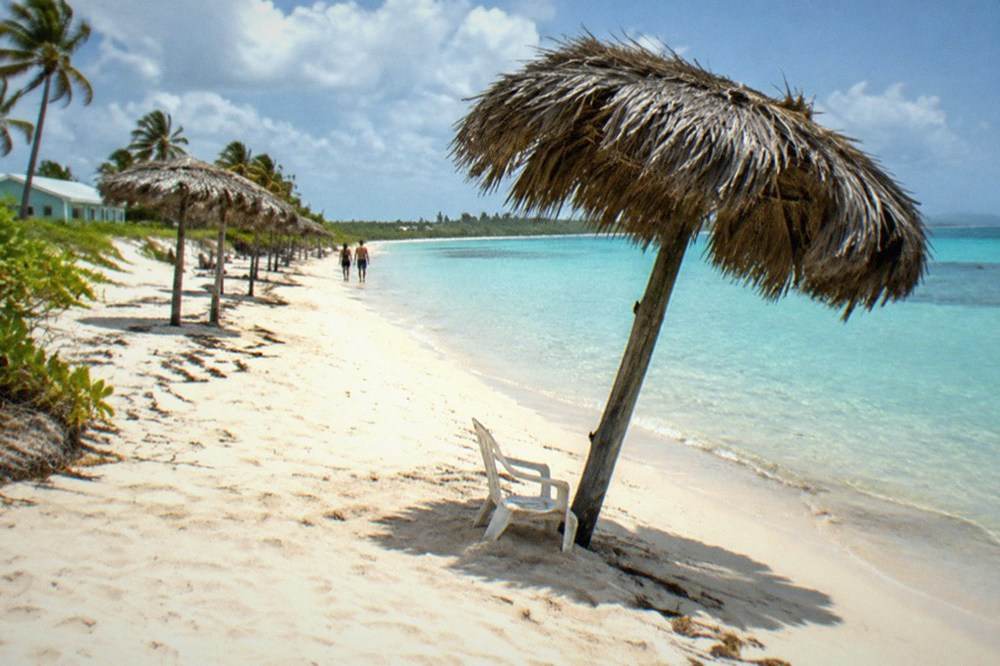
On a day trip, your water options are naturally bounded. Beach time near the ferry terminal is the default activity on Bimini, and swimming in designated areas is low-risk. If you add an excursion, book it through your tour operator or a vendor with a verifiable live listing and real reviews rather than someone waving you over from the sand. The optional Pig Beach add-on sold onboard the Bimini or Grand Bahama island day cruise, for example, is a structured excursion purchased through the operator, which is the right pattern: a known seller, a scheduled activity, and no price guesswork at the water's edge.
Two habits cover most of the remaining risk. Swim with a companion and stay in sight of lifeguards or your group, and treat alcohol and open water as things that do not mix. The sea between South Florida and the Bahamas is the Gulf Stream, and even in calm season it deserves respect. None of this is alarmism; it is the same advice that applies to a beach day in Miami.
What About Weather, Hurricanes And The Ferry Crossing?
Weather is a real but manageable safety factor, and the 2026 season has trended quiet. NOAA's outlook for the 2026 Atlantic hurricane season predicts below-normal activity, and official hurricane season runs June 1 through November 30. Winter brings a different risk: cold fronts from December through April can kick up rough seas on the Gulf Stream crossing, which operators monitor and sail around.
The seasonal picture splits into two windows. From June through November, the formal risk is tropical systems, and the peak of that risk runs August through October. NOAA's 2026 season outlook forecast a below-normal season, and that forecast was maintained in the August update. A below-normal season is not a zero-storm season, but it is the most favorable official outlook a summer traveler could ask for.
The less famous window is winter. Cold fronts pushing down the Florida peninsula between December and April bring strong northerly winds that collide with the north-flowing Gulf Stream current, producing short, steep seas on the crossing. Ferries do not sail into dangerous conditions; operators cancel or reschedule, and free cancellation on the major day-trip products means a weather scrub costs you a booking rather than your money. The trade-off framing, and the reasoning behind the shoulder-month compromise of April-May and November, is laid out in the site's guide to the best time for a Bahamas day trip.
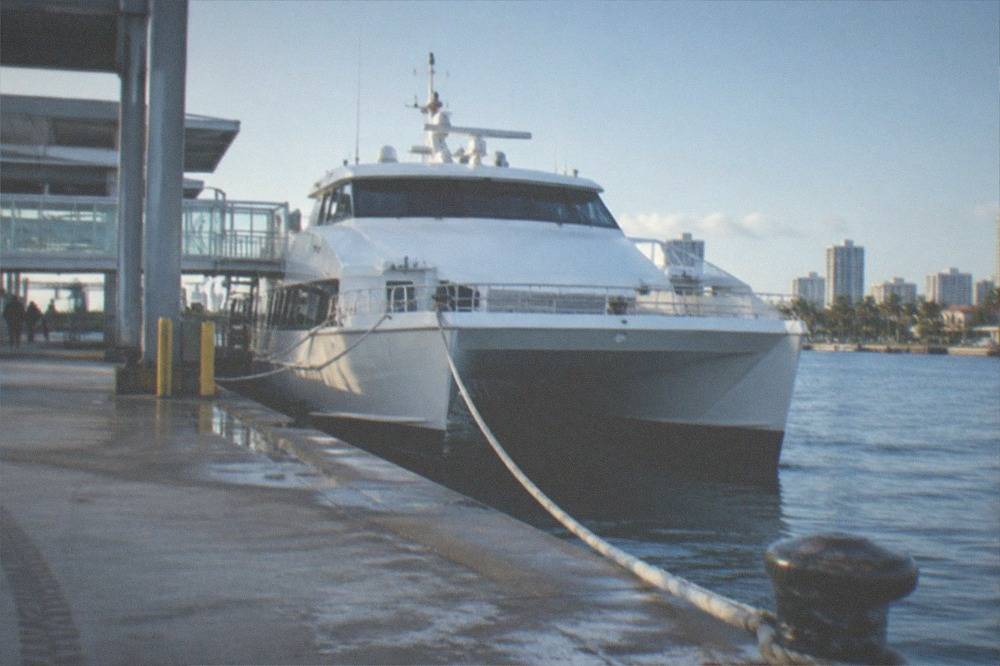
For a same-day visitor, weather safety mostly means flexibility. Book a product with free cancellation, check the marine forecast the day before, and accept that a rough-seas delay is a possibility in any winter month. The vessels themselves are high-speed catamaran ferries built for this route, crewed by operators who run it year-round. The ferry operator's live schedule, published at Balearia Caribbean's routes page, is the source for actual sailing days, since service runs several days a week rather than daily.
Which Precautions Actually Matter For A One-Day Visit?
The precautions that matter are documentation, money and water discipline, in that order. Bring a valid passport, carry a small amount of cash plus a card, keep valuables to a minimum, book activities through listed operators, and swim sober with a companion. Everything else, from special gear to elaborate planning, adds little for a day trip.
Documentation first, because it is the one thing that can end a trip before it starts. A valid US passport is the safe, verified answer for a Bahamas ferry trip, and the State Department recommends a full passport book over a passport card alone because a card cannot support an emergency air return. The CBP's WHTI page governs the sea re-entry side, and Mobile Passport Control can speed the return processing at the port, though it supplements rather than replaces your document. On the Bahamas side, every visitor completes an immigration arrival form and surrenders the stub at departure.
Money and belongings come second. The Bahamian dollar is pegged one to one with the US dollar and US dollars are accepted everywhere, so there is no exchange step to worry about, but carry only what a beach afternoon requires. A phone, a card, a modest amount of cash and your documents in a dry bag cover it. Sun protection belongs on the list too: a day on a Bimini beach in summer sun will hurt you faster than any crime headline, and dehydration is the most likely genuine hazard of the entire trip.
Water discipline is third, and it was covered in full above: licensed operators, life jackets, no solo swimming, no alcohol before swimming. The final habit is scheduling discipline, which on a day trip is largely handled for you. Be at the terminal for the return check-in the operator states, because the ferry will not wait. Someone who wants the fuller packing and documents rundown can read the site's guide on what to bring for a Bahamas day trip, which expands on each item without repeating the safety logic here.
Taken together, this is a destination where the honest answer is a confident yes for the typical US day visitor. The advisory is Level 2, the flagged risks are concentrated in places a ferry itinerary never touches, the water risks respond to ordinary judgment, and the weather risks respond to ordinary flexibility. Book a well-reviewed product with free cancellation, bring your passport, and apply the same caution you would on any South Florida beach day.
Common Questions About Traveling To The Bahamas Safely
Is It Safe For US Citizens To Travel To The Bahamas Right Now?
Yes, with ordinary precautions. The State Department rates the Bahamas Level 2, exercise increased caution, citing crime in specific districts of Nassau and Freeport and water safety around jet skis and boating. A same-day ferry trip to Bimini or Grand Bahama does not enter the flagged districts, and the practical advice is standard traveler vigilance.
Is Nassau safe for tourists?
Nassau's main tourism areas, including the cruise port and Bay Street corridor, are heavily policed and generally safe for visitors who exercise normal caution. The advisory's crime warnings focus on residential districts such as parts of the "Over the Hill" area, which are off typical visitor routes. There is no ferry service from South Florida to Nassau, so day trippers do not visit it by sea.
Is Bimini safe for a day trip?
Bimini is a small island with a low-key tourism economy centered on beaches near the ferry terminal. The State Department advisory does not name Bimini. Day trippers arrive with a group, spend roughly five and a half hours in the beach and settlement area, and leave on the same vessel, which limits exposure to the kinds of risks the advisory describes.
Do I need any special documents or health forms to enter the Bahamas?
Bring a valid US passport, which is the safe answer for a scheduled ferry crossing. You will complete a Bahamas Immigration arrival form on arrival and surrender the stub at departure, and a $20 per person departure tax applies to travelers aged 6 and over, sometimes bundled into the ticket price. No travel health visa or COVID-era requirement is currently in force.
Is it safe to swim at Bahamas beaches?
Yes, in designated swimming areas and with ordinary judgment. Swim with a companion, stay near lifeguards or your group, avoid alcohol before swimming, and be alert around jet skis, which the State Department specifically flags. Booking any water excursion through a listed operator with reviews is the single best safety step.
Does hurricane season make summer trips unsafe?
NOAA's 2026 outlook predicts below-normal Atlantic hurricane activity, and operators cancel or reschedule sailings when conditions warrant, so a summer booking with free cancellation carries little financial risk. Winter months bring the opposite hazard, cold-front rough seas on the Gulf Stream crossing. Shoulder months such as April-May and November are the lower-risk compromise.