What Month Are Sharks Most Active In The Bahamas?
An honest look at what the record does and does not say about shark activity by month in the Bahamas, and what it means for a Miami day tripper.

What Month Are Sharks Most Active In The Bahamas?
No verified source singles out one month as peak shark activity in the Bahamas, and no month-by-month encounter statistic for the Bimini or Grand Bahama crossing could honestly be printed. Sharks live in Bahamian waters year-round, but a claim like "July is peak shark season" would be invented. For a day tripper, encounters on a ferry crossing or supervised beach day are exceptionally rare in any month.
That may feel like a disappointing answer, but it is the truthful one, and the internet is full of pages that will happily give you a fake precise one. Search results on this question lean on general marine-biology framing, diver anecdotes, and tourism copy, none of which establishes a calendar. When a site tells you sharks are "most active" in a given month without citing a tracking database or a research program, it is filling silence with confidence.
What can be said with backing is structural rather than seasonal. The Bahamas bans commercial shark fishing and hosts well-known shark diving operations, which is why the country is famous for sharks at all. Fame is not the same as risk. The animals those operations attract with bait are encountered at dive sites, not at the public beaches a day visitor actually visits.
The day-trip version of the Bahamas is also a narrow slice of the country. Ferries from Fort Lauderdale reach Bimini in about two hours each way, or Freeport in about three, and the time ashore is a beach day, not an open-water excursion. If you are weighing a trip and want to see what a day on the water actually looks like, these are the current options:
The rest of this article walks through what is and is not documented, how the seasons genuinely shape a Bahamas day trip, and where the real planning questions are.
What Does The Verified Record Actually Say?
The verified record says three things: sharks live in Bahamian waters year-round, the Bahamas protects them commercially, and no month-by-month activity or incident statistic for this route has been confirmed in this research pass. Any named peak month or "shark season" calendar would be a fabrication, so the honest traveler should treat shark activity as a year-round background fact rather than a seasonal alarm.
Start with what is real. The Bahamas is one of the world's recognized shark destinations. Its waters hold a range of species, from small coastal sharks to larger reef and open-water species, and its shark-diving industry is regulated and long-established. None of that translates into a calendar. A reef shark photographed near Bimini in January and the same species near a dive site in August tell you the animals are resident, not that either month is a peak.
The distinction that matters for a reader is between presence and encounter. Presence is documented and constant. Encounters between sharks and swimmers at Bimini's beach areas or Grand Bahama's public shores are rare enough that no credible month-by-month dataset exists, and this site will not manufacture one. The pattern holds regardless of season: the activities on a day itinerary, wading at a resort beach, walking Alice Town, sitting on a ferry deck, simply do not overlap with the baited dive sites where close shark encounters are deliberately created.
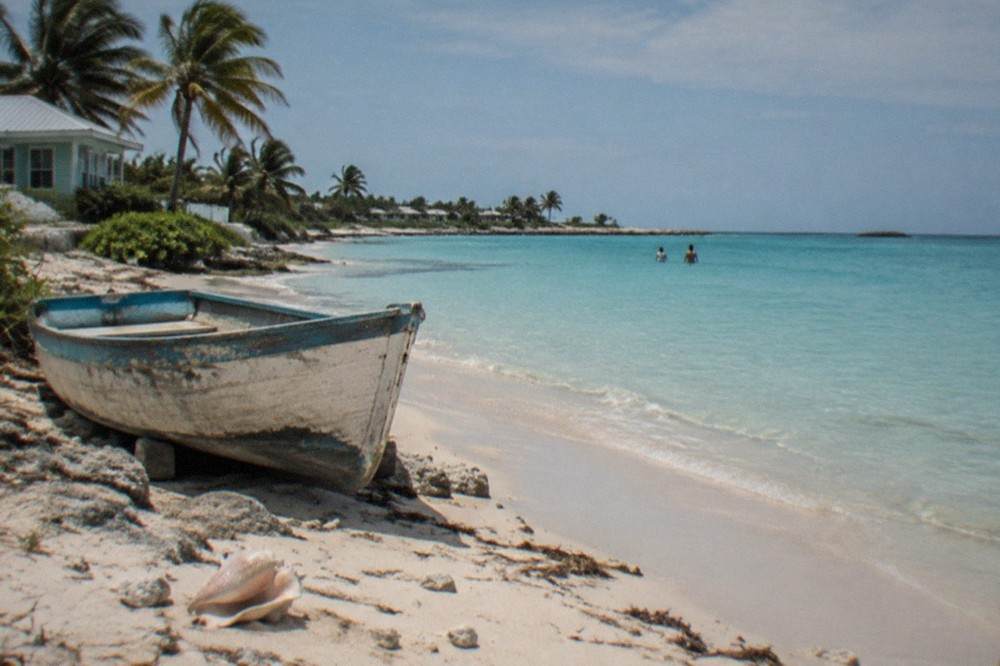
This is also why the question, natural as it is, mostly answers itself for the audience asking it. People searching this phrase are usually not planning a shark dive. They are planning a beach day, and they want to know whether the month they picked carries extra risk. On the verified record available, the answer is that no month has been shown to carry meaningfully different risk for a beach visitor, and the reassurance is not a dodge, it is the finding.
If a Bimini beach day is what you are circling, the standard route is the one covered in the Bimini ferry from Miami guide, which walks through the crossing, the terminal, and the hours ashore.
How Do The Seasons Actually Affect A Bahamas Day Trip?
The seasons that genuinely shape a Miami-to-Bahamas day trip are weather seasons, not shark seasons: the Atlantic hurricane window of June 1 through November 30, winter cold fronts from December through April that can rough up the Gulf Stream crossing, and the shoulder months of April-May and November that sources converge on as the lower-risk compromise. None of this is shark-related, and it is the calendar that should actually drive a booking decision.
Here the record is solid, because it comes from official sources rather than tourism copy. NOAA's 2026 Atlantic outlook forecast a below-normal hurricane season, which is a general seasonal signal rather than a promise about any particular week. The NOAA outlook is the primary source for that forecast, and it is worth a glance if you are booking deep into the summer or fall.
Winter has its own pattern. Cold fronts sweeping down the Florida peninsula between December and April bring strong northerly winds that oppose the north-flowing Gulf Stream current, and that combination can produce short, steep seas on the crossing. Operators watch forecasts and time sailings around fronts, but a winter traveler should expect occasional rough days and build a little flexibility into their plans.
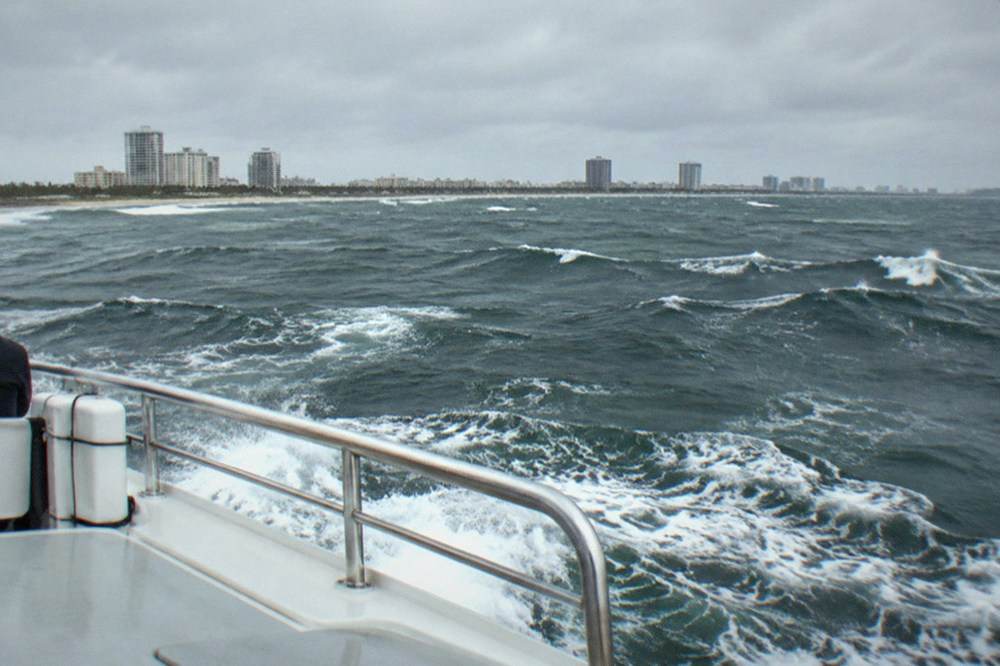
The practical translation, in the site's planning voice:
| Period | What shapes the trip | Planning note |
|---|---|---|
| December-April | Cold fronts can bring strong north winds and rough Gulf Stream seas | Expect occasional choppy crossings; keep schedule flexibility |
| April-May | Fewer fronts, outside the core hurricane ramp-up | Sources converge on this as a lower-risk shoulder window |
| June 1-November 30 | Official Atlantic hurricane season; NOAA's 2026 outlook is below-normal | Summer adds sailings; watch forecasts near peak months |
| November | Hurricane season tail, pre-front calm often holds | The other shoulder month sources point to |
None of these rows has anything to do with sharks, and that is the point. The month-by-month question people should be asking about a Bahamas day trip is a weather question, and on that question the official record genuinely speaks.
Which Sharks Live Near Bimini And Grand Bahama?
The waters around Bimini and Grand Bahama are home to a year-round resident shark population, including reef sharks, nurse sharks, and the larger species the Bahamas' dive industry is known for, and that population does not migrate away in any documented month. What the record does not show is any seasonal concentration of these animals near the beaches, terminals, or ferry lanes a day visitor uses. Resident does not mean encountered.
Bimini's shark fame comes from its research and dive scene. The islands sit on the edge of the Gulf Stream, which brings clear water and a rich marine environment, and that environment supports the full food chain. Diving operators run baited encounters at specific sites, and marine research programs have worked in the islands for decades. All of that happens at depth, offshore, and by design.
Nurse sharks, the species most likely to be seen lounging in shallow Bahamian waters, are famously docile and are a fixture around docks and mangroves rather than swimming beaches. Reef sharks patrol deeper water. The species that make headlines are open-ocean animals that a beachgoer essentially never crosses paths with, and the encounters that do make news almost always involve spearfishing, chumming, or remote dive sites, activities absent from any ferry day trip.
The honest framing for a family reading this: the shark you are most likely to "encounter" on a Bimini day trip is a photograph on a tour operator's signboard. The water you will actually stand in is a shallow, busy beach stretch a short walk from where the ferry docks, a scene covered in detail in what to expect on a Miami to Bimini day trip.
Is A Ferry Crossing Or Beach Day Actually Risky?
On the verified record, no. A scheduled ferry crossing and a supervised beach day are about as far from a shark-encounter scenario as a sea trip can be: the ferry is a large vessel on a busy lane, the beaches are shallow and populated, and no source documents meaningful shark risk for either activity in any month. The genuinely documented travel considerations for this route are paperwork and weather, not wildlife, and those are the ones worth preparing for.
Consider the geometry. The Balearia Caribbean ferry from Port Everglades is a high-speed vessel carrying hundreds of passengers on an established lane. Sharks do not interact with it. On arrival, the day unfolds on land and in shallows. The single biggest practical question most day trippers face is whether they can walk to a beach from where the ferry docks, and on Bimini the answer is yes, the beaches are within reach of the terminal area on foot.
The real checklist is bureaucratic. A valid passport is the safe, verified instruction for this route, since the State Department recommends a full passport book over a card alone for Bahamas travel in case an emergency requires an air return. Every non-resident visitor completes a Bahamas immigration arrival form, and a $20 per-person departure tax applies to travelers aged 6 and over leaving the Bahamas, sometimes bundled into a fare and sometimes not, which each operator's own listing states. The State Department's Bahamas page and the Bahamas government arrivals page cover both sides of that border process, and the site's own entry-requirements guide walks through it step by step.

If the goal is simply clear water and a calm beach day with the logistics handled, the flagship version of that trip is the roundtrip Bimini ferry with Miami Beach hotel pickup included, rated 4.1 from 681 reviews, the deepest review pool on this site's roster, from $299 with free cancellation.
So When Should You Book A Bimini Day Trip?
Book in the shoulder months of April-May or November if you want the lowest-odds weather window, or any sailing date outside peak hurricane months if your calendar is fixed, because the shark question should carry roughly zero weight in the decision. The verified planning variables are sailing-day availability, sea conditions, and fare, in that order, and none of them is wildlife-related. Choose the month for the water and the weather, not for an imagined shark calendar.
Sailing days are the first constraint. The ferry does not run daily; it operates a fixed set of sailing days per week with extra departures added in summer, so a traveler's chosen month partly determines which weekdays are even possible. The operator's live schedule is the only reliable source for specific dates, and this site deliberately avoids printing a fixed weekly pattern as a permanent fact.
Fares are the second. The packaged day trips on this site's roster run from $270 to $299 per person, with the ticket-only economy fare at the low end carrying no hotel pickup and no free cancellation, a tradeoff worth knowing before booking. The two-island trip, which assigns Bimini or Grand Bahama by sailing date rather than visitor choice, holds the roster's highest rating at 4.5 from 453 reviews and starts from $284 with free cancellation.
For readers who want the full cost picture before picking a month, the Bahamas day trip cost breakdown covers fares, taxes, and what a day ashore adds to the total. And for anyone weighing whether the whole idea is worth it at all, the honest answer, crowds, logistics, and all, is laid out in is a Bahamas day trip from Miami worth it.
The one-sentence summary of everything above: Bahamas Day Tours From Miami are short, shallow, ferry-and-beach days, and no verified record gives any month a shark problem worth planning around.
If you are ready to look at dates, the current day-trip options are here:
Common Questions About Shark Activity In The Bahamas
What Month Are Sharks Most Active In The Bahamas?
No verified source establishes a most-active month for sharks in the Bahamas. Sharks are resident in Bahamian waters year-round, but no month-by-month activity or incident statistic for the Bimini or Grand Bahama route exists in the documented record, and any page naming a peak month is guessing. For a beach-and-ferry day trip, the honest answer is that no month has been shown to differ meaningfully from any other.
Are shark encounters common on a Bimini day trip?
No. The documented shark activity around Bimini happens at baited dive sites and offshore research locations, not at the public beaches, ferry terminals, or shallow swimming areas a day visitor uses. Encounters between sharks and swimmers on this route are rare enough that no credible incident dataset exists.
Do I need to worry about sharks when swimming in the Bahamas?
Standard beach caution applies, the same as anywhere: avoid swimming at dawn and dusk alone, stay near lifeguarded or populated areas, and follow local signage. Beyond that, nothing in the verified record suggests Bahamian beaches carry unusual risk, and the shallow, busy stretches near the ferry terminal are a low-concern environment.
Does hurricane season affect shark activity?
There is no verified link between hurricane season and shark activity in the Bahamas. Hurricane season, June 1 through November 30, matters to a day tripper for a different reason: it is the window when tropical systems can disrupt ferry sailings. NOAA's 2026 outlook forecasts a below-normal season, but forecasts are planning signals, not guarantees.
What is the best month for a Bahamas day trip from Miami?
Sources converge on the shoulder months, April-May and November, as the lower-risk compromise between winter cold fronts and the summer-fall tropical window. No single month is verified as the best, and the shark calendar should not factor into the choice at all.
Are nurse sharks dangerous to swimmers in the Bahamas?
Nurse sharks are docile bottom-dwellers and are not considered a threat to swimmers. They are the species most often seen resting in shallow Bahamian waters near docks and mangroves, and they are a fixture of the region rather than a seasonal visitor. As with any wild animal, do not touch or feed them.