Bimini And Grand Bahama Ferry Day Trip: Entry And Re-Entry Documents Explained
A Bahamas day trip by ferry is an international border crossing squeezed into fifteen hours, and the paperwork is the part travelers most often get wrong.
Short answer
US citizens need a valid passport, passport card, Enhanced Driver's License, or approved Trusted Traveler card for the ferry crossing, though a full passport book is the recommended document. On arrival every visitor completes a Bahamas Immigration arrival form, declares personal items orally, and pays a $20 departure tax if aged 6 or over. US CBP preclearance handles the return leg.
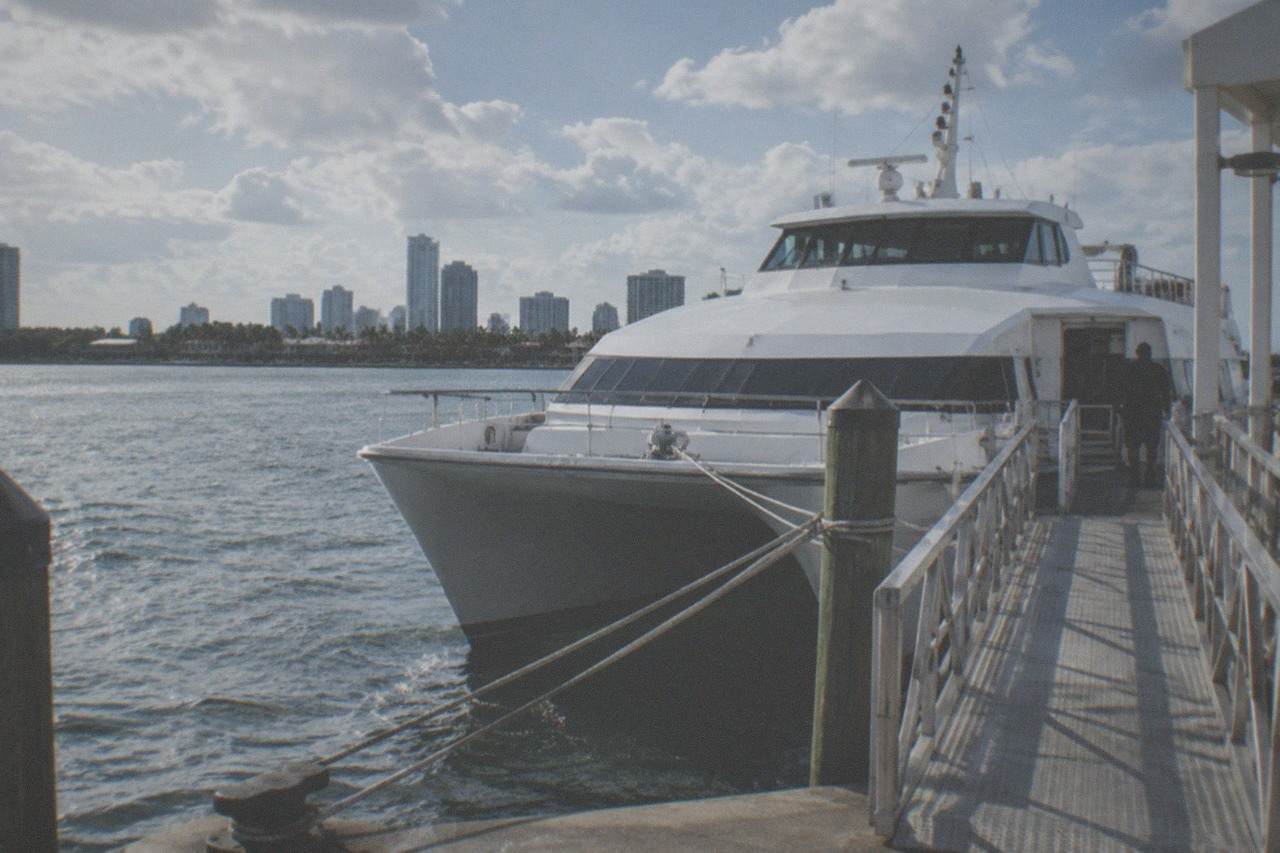
A same-day ferry round trip to the Bahamas is a genuine international border crossing, twice, in a single day. The boat leaves from Port Everglades in Fort Lauderdale, clears Bahamian immigration at the ferry terminal in Bimini or Freeport, and re-enters the United States the same evening. That means the document rules that govern a Caribbean cruise apply, compressed into roughly fifteen hours, and there is no slack in the schedule for a traveler who brought the wrong paperwork. This guide walks through every document, form, and fee in the chain, from the outbound WHTI check to the CBP booth on the way home.
What Documents Do I Need To Travel To The Bahamas?
For a ferry day trip, a US citizen needs a Western Hemisphere Travel Initiative compliant document: a valid passport book, passport card, Enhanced Driver's License, or approved Trusted Traveler card, with the full passport book strongly recommended. On the Bahamas side, every non-resident visitor completes an immigration arrival form and declares personal items orally to Customs, and travelers aged 6 and over pay a $20 departure tax when leaving.
The Western Hemisphere Travel Initiative, or WHTI, is the US law that sets the document standard for sea travel within the Western Hemisphere. US Customs and Border Protection's WHTI page lists the acceptable documents for land and sea entry: a passport book, a passport card, an Enhanced Driver's License issued by certain states, or specific Trusted Traveler cards. Any of these satisfies the US re-entry side of the crossing.
The Bahamas side is a separate country's border, and its rules are its own. The State Department's Bahamas country page states that US citizens are generally required to present a valid US passport when traveling to the Bahamas, and it recommends the full passport book over a card alone because a card cannot support an emergency air return. If a ferry gets weather-delayed or a traveler has a medical emergency, the only way home that evening may be a flight, and flights require the book.
No visa is needed for US citizens staying up to 90 days, and no Bahamas travel health visa or e-visa is currently required. The COVID-era health visa program is not referenced as active on the current official arrivals page. That status can change, so it is worth a quick check of the official page before you sail.
Passport Book Or Passport Card: Which One For A Ferry Day Trip?
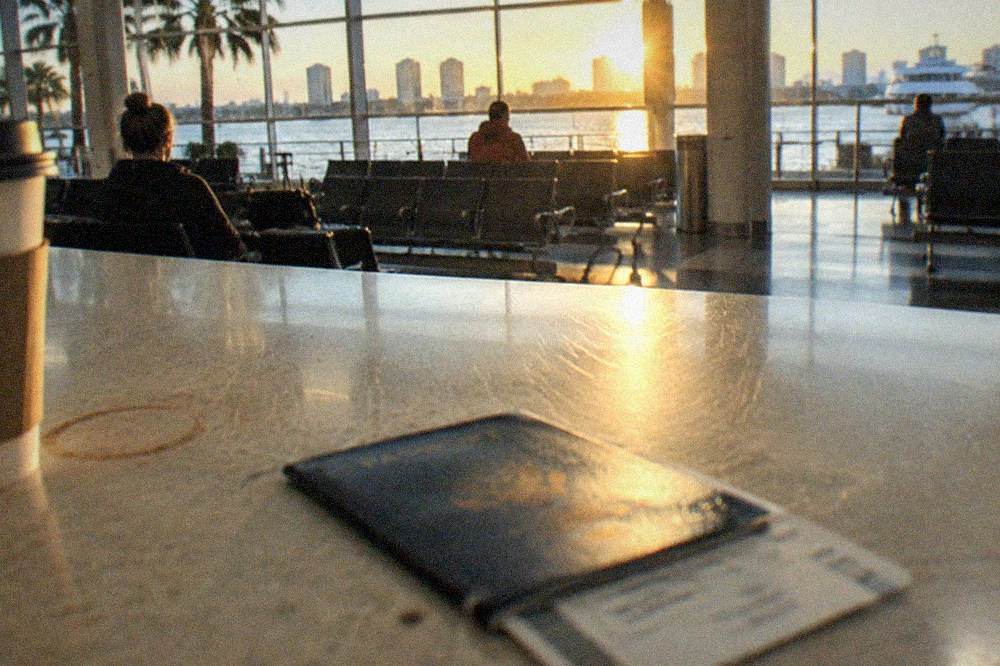
A passport card satisfies the WHTI standard for the sea crossing itself, and it will get a US citizen back into the country by ferry. But the State Department recommends a full passport book for Bahamas travel because a card cannot be used for an emergency flight home, and the card's sufficiency for the Bahamas entry side on a scheduled ferry is not independently confirmed, so the book is the safe choice.
The distinction matters more on a day trip than it first appears. A card is cheaper and fits in a wallet, and for the two hours of open water between Port Everglades and Bimini it does the WHTI job on the US side. The problem is the failure mode. Winter cold fronts and summer tropical systems both disrupt Gulf Stream crossings, and a delayed or canceled return sailing can strand a day-tripper overnight. The only fast way off the island at that point is a roughly one-hour flight to Miami, and air travel requires the passport book.
The honest reading of the official guidance is straightforward: bring a valid passport. The State Department says so directly, and the card's status for Bahamas-side entry on a scheduled ferry, as distinct from a closed-loop cruise, is not independently confirmed as guaranteed sufficient. Treat the card as a document that works for the US half of the trip, not as a guarantee for the whole one.
The practical decision looks like this:
| Document | Works for the ferry crossing | Works for an emergency flight home | Recommendation for a day trip |
|---|---|---|---|
| Passport book | Yes | Yes | Best choice, covers every scenario |
| Passport card | Yes on the US re-entry side | No | Backup only, not the safe pick |
| Enhanced Driver's License | Yes for sea re-entry from issuing states | No | Same limits as the card |
| Trusted Traveler card (NEXUS, SENTRI) | Yes for sea entry per WHTI | No | Convenience, not a substitute |
| REAL ID driver's license | No, proves identity only, not citizenship | No | Never sufficient alone |
If you already hold a passport book, the question is closed. If you are deciding whether to apply for a card instead because the trip is only one day, the small saving is not worth the gap in coverage. Our fuller walk-through of the document rules, including the cruise-versus-ferry distinction, is in the passport and documents guide.
Booking the ferry itself is the easy half. The three most common day-trip packages, compared:
The Bahamas Arrival Form And The Stub You Must Keep
Every non-resident visitor arriving in the Bahamas completes a Bahamas Immigration arrival form, and immigration keeps a stub that you surrender when you leave. On a day trip that form is filled out on the boat before docking, and losing the stub can slow your departure through the terminal, so treat it like a boarding pass for the way home.
The arrival form is the Bahamas' equivalent of the card you fill out on an international flight. It captures identity, nationality, and the length and purpose of your stay, and it is handed to the immigration officer at the ferry terminal in Bimini or Freeport. The officer returns a stub to you. That stub is your proof of lawful entry, and the Government of The Bahamas' official arrivals and departures page is the primary source for the current process.
On a day trip the timing is tight and the form matters. You will usually be handed it during the roughly two-hour crossing to Bimini, and the crew collects it before the vessel docks. Fill it out on the boat, not in the immigration hall, because several hundred passengers clear through a small terminal and the line moves at the pace of the slowest form. Keep the stub in your passport, not loose in a beach bag, because you will need it within about six hours when you walk back through the same terminal.
The form is also where the day-trip rhythm differs from a cruise. Cruise passengers are often processed in bulk under the ship's manifest. Ferry passengers are processed individually, one form, one officer, one stamp. It is closer to a small airport than a cruise terminal, and the whole arrival sequence, immigration then Customs, typically takes under an hour when everyone has their paperwork ready.
Customs: The Oral Declaration And Form C17
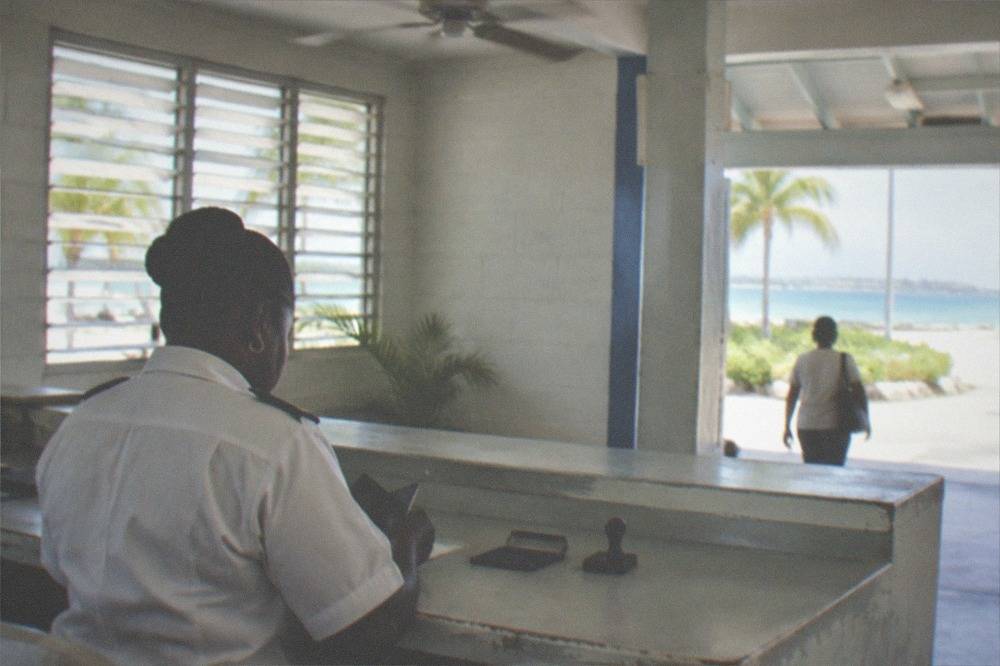
Personal items are declared orally to a Bahamas Customs officer on arrival, and no written form is needed for a normal day bag. Form C17 is only required when you are bringing in goods beyond personal use, such as items to leave in the Bahamas, commercial quantities, or dutiable purchases, which almost never describes a day-tripper with a towel and a swimsuit.
The oral declaration is a real legal step, not a formality. When you reach the Customs point after immigration, the officer asks what you are bringing into the country, and the honest answer for a day-tripper is a short list: clothes, sunscreen, a phone, maybe snorkel gear. That oral statement covers everything personal-use, and the Bahamas government's arrivals process confirms it as the standard for visitors.
The C17 form exists for the cases the oral declaration does not cover. If you are carrying goods to sell, equipment for a business, gifts above personal-use levels, or anything you intend to leave in the Bahamas, you declare it on the C17 and possibly pay duty. A day-tripper who buys a reasonable amount of souvenirs on the island and brings them home is still in personal-use territory on the outbound leg; the return leg is a US Customs matter, covered below.
Where day-trippers actually stumble is not the declaration itself but the prohibited-items list. Certain foods, plants, and animal products are restricted into the Bahamas, and the rules are specific enough that we keep a separate article on items you cannot bring into the Bahamas. The short version: leave agricultural items at home, declare anything you are unsure about, and remember that a US citizen's duty-free allowance for goods brought back into the United States applies on the return leg, not the outbound one.
The $20 Departure Tax And Whether Your Ticket Includes It
Every traveler aged 6 and over leaving the Bahamas pays a $20 per person departure tax. Some ferry fares bundle it into the ticket price and some do not, and which applies to which listing is set by the operator's own terms, so the only reliable answer for your specific trip is the fare details on the operator's live listing.
The departure tax is a Bahamas government charge, not a ferry company fee, and it applies at the terminal when you leave. Children under 6 are exempt. On a day trip you pay it the same evening you arrive, which surprises travelers who assumed a same-day round trip would involve only one border transaction. It does not: you entered a country, and the country charges for the exit like every airport does. The wider set of guides lives on Bahamas Day Tours From Miami.
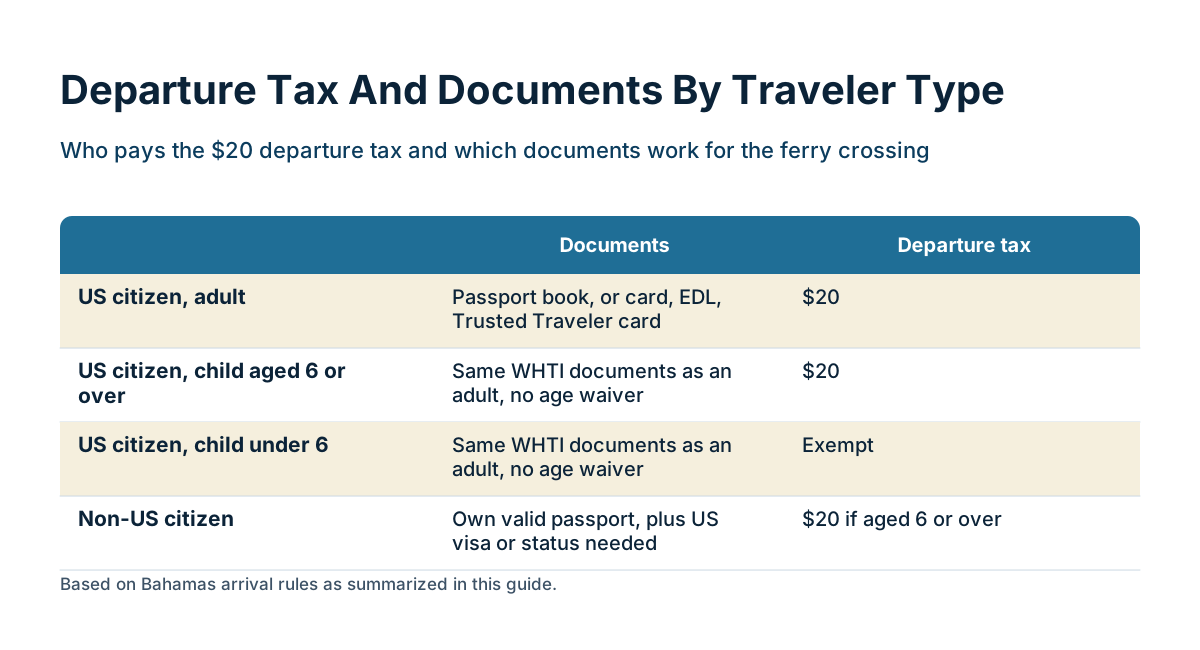
The bundling question is where honesty matters. Ferry and cruise tickets sometimes include the tax in the advertised fare and sometimes collect it separately at check-in, and the split is not independently verified for each product on this site's roster. The verified instruction is to read the fare inclusions on the operator's own listing before you travel, and to carry a little cash or card headroom either way. If the tax is bundled, you have lost nothing by checking; if it is not, you avoid a surprise at the counter.

For context on the money side of the whole trip, our Bahamas day trip cost breakdown covers fares, fees, and on-island spending in one place. The tour packages themselves range from $270 for the ticket-only fare to $299 for the most-reviewed full package with Miami Beach hotel pickup, and those fares are the operator's own listed prices.
The ticket-only option deserves a plain word because it is the one fare on the roster with no free cancellation. The Gray Line ferry-tickets product sells the Economy ferry ticket alone: no hotel pickup, no refund window, check-in between 6:15 and 8:15 in the morning. It suits a confident traveler who lives near the port; it is the wrong choice for anyone who wants flexibility on a weather-dependent day.
US Re-Entry: Preclearance, Mobile Passport Control, And Global Entry
On the return leg, US CBP preclearance processes you before the ferry docks in Fort Lauderdale, and you need the same WHTI-compliant document you left with. Mobile Passport Control and Global Entry can speed the US processing, but they supplement your passport or passport card, they never replace it.
Preclearance is the quiet advantage of the ferry route. US Customs and Border Protection operates at the Bahamian ferry terminals, so immigration and customs for the United States are cleared before departure rather than after arrival. By the time the boat docks at Port Everglades, you are already formally back in the United States, and the walk off the vessel is like a domestic arrival. The CBP Mobile Passport Control page describes the app option that works at participating ports.
Mobile Passport Control lets eligible US citizens and lawful permanent residents submit their declaration on a phone and use a faster queue. Global Entry members get kiosk processing. Neither changes the document requirement: WHTI still applies, and the app is a convenience layer on top of the same passport or passport card you carried all day. If your phone dies at the terminal, the standard line still works.
| Processing option | Who can use it | What you need | Does it replace your travel document? |
|---|---|---|---|
| Standard preclearance line | Every traveler | WHTI-compliant document, purchases declaration | No device or membership needed, this is the base process |
| Mobile Passport Control | Eligible US citizens and lawful permanent residents | The app on a phone, at participating ports | No, it supplements the passport or passport card |
| Global Entry | Approved members | Membership, kiosk processing | No, it supplements the passport or passport card |
Two details make the return leg smooth. First, keep the immigration stub from the morning handy, because Bahamian immigration collects it before you reach the US preclearance area. Second, know your purchases: the oral declaration to CBP covers what you bought on the island, and souvenirs, rum, and conch shells are all declarable items even when they are within your duty-free allowance. Saying "two shirts and a bottle of rum" takes ten seconds and closes the day cleanly.
Do Children And Non-US Citizens Need Different Documents?
Children need the same WHTI-compliant documents as adults for the sea crossing, and the $20 departure tax applies from age 6. Non-US citizens need their own country's valid passport for both borders, plus any US visa or ESTA-equivalent status required for re-entering the United States, which is a question for their own immigration situation rather than a Bahamas rule.
For US citizen children, the passport requirement is not waived for age on a scheduled international ferry. A child needs a passport book or passport card, and the same emergency-flight logic applies to a family as to a solo traveler: if the return sailing is canceled, a card does not get a child onto a plane. Families also get a practical benefit from the ferry day-trip format, since the whole party stays together through both border crossings instead of being processed as a cruise manifest.
Non-US citizens should treat the trip as two separate border questions. The Bahamas admits most nationalities for short tourist stays without a visa, but the traveler's own passport governs that. The United States side is stricter: re-entry requires the visa or status that person already holds, and a day trip does not create any new US entry rights. Anyone in the US on a visa should carry that documentation, and anyone unsure should resolve the question with the relevant authorities before booking a same-day international round trip.
| Traveler | Documents for the ferry crossing | Departure tax on leaving |
|---|---|---|
| US citizen, adult | Passport book recommended, or card, EDL, or Trusted Traveler card | $20 |
| US citizen, child aged 6 or over | Same WHTI documents as an adult, no age waiver | $20 |
| US citizen, child under 6 | Same WHTI documents as an adult, no age waiver | Exempt |
| Non-US citizen | Own valid passport, plus the US visa or status needed to re-enter | $20 if aged 6 or over |
The family logistics of the day itself, including strollers, seasickness, and the six hours of island time, are covered in our family day trip guide. The document half is the simpler half: one form per person on the boat, one stub per person in the passport, one departure tax per person aged 6 and over.
The Full Document Checklist For A Ferry Day Trip
Carry a valid passport book, the completed Bahamas arrival form handed out on the vessel, the immigration stub after arrival, cash or card for the $20 departure tax if your fare does not bundle it, and your US re-entry document for preclearance. Everything else on the paperwork list is optional, and Mobile Passport Control is the one optional item worth setting up in advance.
Printed simply, the day looks like this:
| Step | Where it happens | What you need |
|---|---|---|
| Ferry check-in | Port Everglades, Fort Lauderdale | Passport or WHTI document, booking confirmation |
| Bahamas arrival form | On the vessel, before docking | One form per traveler, pen, passport details |
| Bahamas immigration | Bimini or Freeport ferry terminal | Passport, arrival form, oral purpose of visit |
| Bahamas Customs | Same terminal, after immigration | Oral declaration of personal items |
| Departure tax | Terminal, before boarding home | $20 per person aged 6+, unless bundled in fare |
| Bahamian exit immigration | Terminal | The arrival-form stub from the morning |
| US CBP preclearance | Bahamian terminal, before departure | Passport or WHTI document, purchases declaration |
The check-in window is early, and the day is long, roughly fifteen hours door to door for the full-package trips. That makes the night-before routine matter: documents in one folder, phone charged, the operator's live listing screenshotted in case connectivity is thin at the port. Our what to bring guide covers the non-document half of the packing question.
For the booking itself, the most-reviewed package on the roster is the Admiral Tours Miami round trip with Miami Beach hotel pickup, rated 4.1 from 681 reviews, from $299, with free cancellation. It includes the transfers that solve the Port Everglades problem, since the boat never leaves from a Miami dock, and it is the trip most of this site's planning advice assumes.
Which Tour Package Handles The Document Day Best?
The full-package tours with hotel pickup and free cancellation suit the document-heavy day best, because they remove the drive to Port Everglades and keep the booking flexible if your passport or the weather forces a change. The ticket-only fare is the one product on this roster without free cancellation, so it belongs at the bottom of the list for a first-time day-tripper.
The logic is about failure modes again. A day trip has three common failure points: a missing document, a rough sea state, and a missed early check-in. A package with hotel pickup and free cancellation survives all three, because you can reschedule without losing the fare and you do not have to drive to Fort Lauderdale before dawn. The two-island option, rated 4.5 from 453 reviews from $284, is the strongest-rated package on the roster, though which island you visit depends on the sailing date rather than your choice at booking.
The document rules are identical across every package, because every product on this roster rides the same Balearia high-speed ferry from the same terminal. What differs is the transfer, the cancellation window, and the price, from $270 to $299 for the main packages. Sailing days are fixed per week rather than daily, with extra sailings in peak season, so the operator's live schedule is the final word on which dates work.
If you are still weighing whether the whole enterprise is worth a day of your Miami vacation, our is a Bahamas day trip worth it analysis puts the cost against the six hours of island time. The short answer from this site's reporting: the paperwork is a solved problem if you read this page the night before, and the ferry is the only same-day sea route from South Florida to the Bahamas that actually exists.
Common Questions About Bahamas Day Trip Documents
What documents do I need to travel to Bahamas?
A US citizen needs a WHTI-compliant document for the ferry crossing: a valid passport book, passport card, Enhanced Driver's License, or approved Trusted Traveler card. The State Department recommends the full passport book because a card cannot support an emergency flight home. On arrival, every visitor also completes a Bahamas Immigration arrival form and keeps the stub for departure.
Can I use a passport card instead of a passport book for the ferry?
A passport card satisfies the WHTI standard for sea travel and works for re-entering the US by ferry. However, the State Department recommends the full book for Bahamas trips, and the card's sufficiency for the Bahamas entry side on a scheduled ferry is not independently confirmed. Bring a valid passport book if you have one.
Do I need a visa or health visa for a Bahamas day trip?
No. US citizens need no visa for tourist stays up to 90 days, and the COVID-era Bahamas Travel Health Visa program is not currently required, with no e-visa or mandatory online arrival form listed on the official arrivals page. This status can change, so check the official page before you sail.
What is the $20 departure tax and do children pay it?
The Bahamas charges a $20 per person departure tax to every traveler aged 6 and over leaving the country, collected at the terminal. Children under 6 are exempt. Some ferry fares bundle the tax into the ticket price and some do not, so check the fare inclusions on the operator's live listing for your specific trip.
What is Form C17 and do I need it?
Form C17 is the Bahamas Customs declaration for goods beyond personal use, such as commercial items or goods to be left in the Bahamas. A typical day-tripper with clothes, sunscreen, and personal items declares orally to the Customs officer and needs no written form. If you are carrying anything beyond personal use, declare it on the C17.
How does US re-entry work on the return ferry?
US CBP preclearance operates at the Bahamian ferry terminal, so you clear US immigration and customs before the boat departs rather than after it docks in Fort Lauderdale. You need the same WHTI-compliant document you arrived with. Mobile Passport Control and Global Entry can speed processing, but they supplement your document, never replace it.